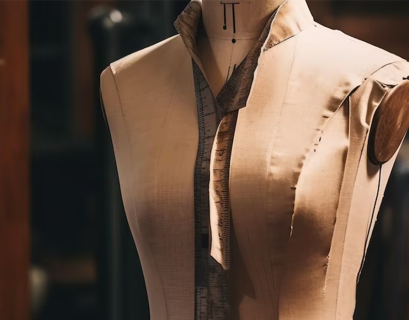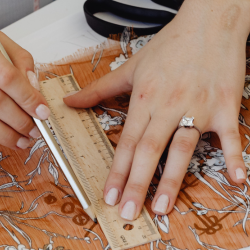





The development of original garment designs is a crucial component in fashion design. The raw material management process, which is an element of the chain process involved in fashion designing, involves size measurement, equipment, and garment warehouses. A fashion design student aims is to be able to walk down the ramp with their collection and gain recognition for their hard work on a national and worldwide level.
If a student is imaginative and creative and has an understanding of the most recent market trends, they may simply choose to enrol in fashion designing classes once they complete their 12th-grade education to pursue a career in fashion designing. These courses entail designing, creating, and building outfits. With the greatest pay packages in the world, it is simple to become a fashion stylist, designer, retail manager, consultant, etc.
After completing the 12th grade, students can choose to take courses in fashion design to learn about basic to advanced fashion principles. Fashion design is a fundamental kind of artistic expression that involves creating clothing and other items for daily use. A new estimate indicates that India’s fashion industry is growing at an astounding 70% each year.
Table of Content
- Fashion Designing Course After 12th
- Eligibility for Fashion Design Course After 12th Grade
- Entrance Exams for Fashion Designing After 12th Grade
- How to Choose the Best Fashion Designing Courses After the 12th?
- Undergraduate Course in Fashion Designing
- Diploma in Fashion Design
- Certificate Course in Fashion Designing
- Why Choose Fashion Design as a Career?
- Skills Required in Fashion Designing
- Career After Fashion Designing Course
- Overview of the Fashion Design Course
- Conclusion
- FAQs
Admissions for Fashion Design Program After the 12th Grade
A course called “Fashion Designing” was developed especially for artists. Fashion design is one of the most alluring and well-liked career options for students finishing their 12th grade because of the excellent salary and fame. Students may apply after completing the 12th grade for this course. Despite the fact that without a 12th-grade certification, there are online diploma courses available, such as the Diploma in Fashion Design offered by AAFT Online.
A diploma in fashion design after the 12th is the best choice for anyone looking to launch a career in the fashion sector. Courses in fashion design aid in developing abilities and offer a training program that focuses primarily on the calibre of the intended output. Fashion may be found in the areas of apparel, footwear, accessories, cosmetics, way of life, hair, and body.
Students must pass the relevant admission test in order to enrol in this program at any prestigious college. Exams like the AIFD WAT, SOFT, NID DAT, UCEED, CEED, AIEED, IIAD, and NIFT are options after 12th grade to pursue a fashion design course.
Eligibility for Fashion Design Course After 12th Grade

The eligibility for fashion designing courses after 12th is a minimum of 50% in your 10+2 exams. Your stream is not a barrier. Students from the arts often lean toward creative roles, while fashion designing courses after 12th commerce appeal to those interested in branding or retail.
Here is an overview of the various courses along with their eligibility and duration:
| Program Name | Who Can Apply | Course Length |
| Bachelor of Design (BDes) in Fashion Design | Students who have completed 12th grade from any stream | 4 years |
| Bachelor of Science (BSc) in Fashion Design | Open to candidates who have passed 12th in any discipline | 3 years |
| Bachelor of Arts (BA) in Fashion Design | 12th pass students from arts, commerce, or science | 3 years |
| Bachelor of Vocation (BVoc) in Fashion Design and Garment Technology | 12th pass from any stream | 3 years |
| Diploma in Fashion Designing | 10th or 12th pass, as per institute guidelines | 1 to 2 years |
| Certificate Course in Fashion Design | Open to students who have cleared 10th or 12th | 6 months to 1 year |
The admission procedure is simple—a written examination, portfolio screening, followed by a group discussion/interview.
Entrance Exams for Fashion Designing After 12th Grade
India has a number of esteemed institutes offering fashion design course after 12th. These colleges focus on practical education, studio experience, and exposure to the industry operation.
Admission into such an institute generally starts with an entrance exam. These entrance exams do not only check grades. They check creativity, basic design sense, and how you think.
| Entrance Test Name | Organising Body | Purpose |
| NIFT Entrance Examination | National Institute of Fashion Technology | Admission to BDes, BFTech, and other fashion programs offered at NIFT campuses |
| NID Design Aptitude Test (DAT) | National Institute of Design | Evaluates creative thinking, design sense, and problem-solving for UG and PG courses |
| SAGE Entrance Test | Sage University, Indore | Used for admission and scholarship selection in fashion and design courses |
| PEARL Academy Entrance Exam | Pearl Academy | Selection test for fashion and design programs, including scholarship eligibility |
| AIEED (All India Entrance Examination for Design) | ARCH College of Design and Business | Entrance assessment for undergraduate design aspirants |
Clearing an entrance exam opens the door to structured training and better guidance. It also helps students understand what lies ahead, from fashion designing courses after 12th to realistic fashion designing courses after 12th salary expectations. Each entrance exam follows its own pattern, which is why early preparation makes a clear difference.
How to Choose the Best Fashion Designing Courses After the 12th?
Choosing the right fashion design course after 12th can feel confusing. There are many institutes. Each promises something different. What really matters is how well the course fits you and your goals. Before you decide, take a moment to look at these key points.
1. Area of Interest
Fashion is broad. Some love clothing. Others enjoy accessories, styling, or surface design. Picking a course that matches your interests matters more than picking a popular institute. If fashion excites you and you want a quick entry into the field, the Diploma in fashion designing with a focused specialisation may suit you better than a general degree.
2. Course Duration and Benefits
Courses come in many formats. Short-term programs focus on practical skills and quick industry exposure. Long-term degrees move from basics to advanced concepts. Think about where you want to be in a few years. Then choose from the types of fashion designing courses after 12th that align with that plan.
Also Read To Know: Types of Fashion Designing
3. Course Accreditation
Accreditation gives your qualification weight. A recognised institute ensures quality teaching and wider acceptance. This applies whether you come from fashion designing courses after 12th arts or 12th commerce backgrounds.
4. Teaching Techniques
Good teaching shapes confidence. Visit the campus if possible. Sit in for a demo class. See how students work. Strong studios, updated tools, and hands-on learning make a real difference.
5. Placement Scenario
Placements matter. So does guidance. Look into alumni outcomes and placement cells. This gives a clearer idea of fashion designing courses after 12th and salary expectations over time.
6. New Education Policy
Institutes aligned with the New Education Policy (NEP) offer more skills-based design courses. Furthermore, NEP emphasises more practical and research-based training than being focused on theory-based courses. Additionally, students have the flexibility to pursue either the degree or diploma programs in their ongoing academic semester. Hence, this aids in practical development and enhances preparedness at the initial stage of their careers.
7. Internship and Job Training
Internships offer insights into what happens in the workplace and help with network building. Colleges with proper internship support help the students grow faster after graduation.
8. Course Fees
Fashion designing courses after 12th fees vary widely. Compare costs with course depth, exposure, and support. Choose a program that fits your budget without cutting learning value.
Also Know About: Fashion Designer Interview Question
List of Fashion Designing Courses that can be pursued after finishing intermediate education. It offers bachelor, diploma, and certification programs. To become professional fashion designers, students can choose from a variety of fashion design courses.
Undergraduate Course in Fashion Designing
- Bachelor of Fashion Designing (BFDes)
- BSc in Fashion Designing
- BA Hons in Fashion Designing
- BTech in Apparel Production
- Bachelor of Textile Designing
- B.Des in Interior Designing
- Bachelor of Fashion & Apparel Design
- BBA in Fashion Designing
Diploma in Fashion Design
- Diploma in Fashion Design
- Diploma in Apparel Designing
- Diploma in Textile Designing
Certificate Course in Fashion Designing
- Fashion Styling Course
- Fashion Design Course
- Footwear CAD Design Online Course
- Professional Certificate in Fashion Design and Creation
- Sustainable Fashion
- Sketching For Fashion Design
- Footwear CAD Design Online Course
- Fashion CAD Design Online Course
Why Choose Fashion Design as a Career?

With the help of your ideas, you may make the world appear more lovely and appealing by taking fashion design courses. Students who are creative and want to showcase their talents in front of an audience should apply for admission to fashion designing programs once they finish the 12th grade. Do we believe the fundamental idea of fashion design is understood? This will make it easier for students to decide whether or not they are interested in this course of study. Additionally, students should read the other noteworthy points in the list below.
After completing the 12th standard, there are several reasons to enrol in fashion design classes, including:
- Since there is always a need for fashion, fashion designing is a career option that will always be viable. This training offers a sense of stability.
- Due to the rising need for professionals in this industry, employment prospects are also increasing.
- An entry-level employee’s initial salary might range from INR 2,34,000 to INR 5,45,000 on average. This can increase with experience and knowledge.
- Students with exceptional skills have a better chance of succeeding in the fashion designing program since it places more emphasis on practical skills than academic knowledge.
Skills Required in Fashion Designing

Skill requirements for pursuing a fashion designing course are listed below:
- Artistry and Creativity: One of the most essential qualities a fashion designer should possess is artistic talent and vivid images for original ideas. Every fashion designer should work hard on their sketching talents since being a sketch artist is the first step to portraying the draught design into a piece of art. To express your art via unique designs, you need to be creative and artistic.
- Business Acuity: True success as a fashion designer requires the ability to keep up with the financial targets of your company. While creativity is a key component of success, sound business acumen is also necessary to obtain the appropriate materials and stay within the allocated budget.
- Communication Skills: Communication abilities are necessary for a successful partnership if you want to advance your profession as a fashion designer. Sharing your thoughts, gathering feedback, and receiving criticism all go hand in hand with effective communication techniques. Building strong and effective communication skills is crucial for a successful job.
- Enthusiasm in Trends: Both trends and consumer needs are always evolving. It’s crucial for you to keep a close watch on how the market you want to target is developing and expanding as a student interested in fashion design. It is also crucial to learn from and watch how those dependable artists whom you could view as rivals translate their design and creativity into shifting trends and create a certain set of skills.
- Team Skills and Collaborative: As a fashion student, having good team dynamics is crucial. Fashion designers are responsible for much more than simply creating clothing; they also conduct research, manage marketing campaigns, and much more. This calls for a team of individuals that can manage problem-solving, deal with challenges, and work together. You must understand how to engage with each member of your team and function as a team.
- Impressive Needlework: Sewing becomes an essential and among the most basic skills for a fashion designer. You should be able to create the garments you design as a designer. When you, a beginner, take the initiative to get a feeling of experience and understanding of the processes involved in bringing your ideas to reality, everything comes together wonderfully.
- Fashion CAD: In today’s fashion sector, both technical and artistic viewpoints are highly valued. The creative and knowledge-intensive CAD (computer-aided-design) program provides a broad variety of materials, forms, styles, colours, and details that may help you make better and quicker designs and patterns in a digital environment.
Career After Fashion Designing Course
After completing 12th grade, students have a wide range of career options, including being a fashion blogger, fashion writer, fashion editor, fashion designer, etc. Students’ salaries might range from INR 2,34,000 to INR 5,45,000 per year.
This course is well-known and in high demand for professional development since it covers a wide range of topics that the industry pays close attention to. After finishing this course, students have the option of working in the industry, which might expose them to how to develop original concepts that subsequently become popular.
Career Prospects after completing a fashion designing course:
- Fashion Designer
- Retail Manager
- Fashion Coordinators
- Fashion Stylist
- Fashion Consultant
- Textile Designer
- Makeup Artist
- Fashion Illustrator
- Fashion Journalist
- Fashion Stylists
- Fashion Merchandisers
- Creative Pattern Makers
- Trend Analyst
- Forecast Analyst
Overview of the Fashion Design Course
In terms of the arts, fashion design is one of the most popular academic specialities since it combines a financially lucrative job with a gratifying creative life. It focuses on developing clothing and other accessories. Fashion designers have a crucial role in the creation of the apparatus, as well as in the choice of the appropriate material for it, for anything from bracelets and necklaces to business suits and party attire. Generally speaking, societal views and culture have an impact on their job. The two fundamental elements of contemporary fashion design are haute couture and ready-to-wear. Courses in fashion design cover a broad range of patterns, trends, aesthetics, styles, and colours. Students are taught everything from developing designs for apparel, footwear, accessories, and other items to researching historical and contemporary fashion trends.
Although it’s crucial to comprehend the fundamentals of the design process, fashion design is about looking into the future to create for today. You will study artisanal design and workmanship, 3D and digital printing, and technical advancements in fashion design in this course. You’ll investigate how design aesthetics, materials, silhouettes, and fit may help you establish your brand. You’ll learn the value of working together with other designers and how the design process is influenced by fresh ways of thinking. Finally, you’ll look at the future of fashion forecasting and how developing your business strategy depends on keeping an eye on trends, social movements, politics, the environment, and pop culture.
Conclusion
Students can choose among certificates, degrees, and diplomas in each of the three categories of programs. A student’s professional job will be more effective in nature if they have an interest and pastime in fashion. Drawing and craft creativity ought to be strong to provide individuals with rewarding job alternatives.
The clothing industry is in need of new technology, and there are several cutting-edge fashions designing tools and machinery that are facilitating students’ creation of clothing.
FAQs
1. Is fashion designing a good career after 12th?
It can be, if creativity excites you. Fashion is not just about clothes. It’s about ideas, problem-solving, and patience. The field rewards people who keep learning and practicing. Growth may feel slow at first, but skills and confidence build with time.
2. What is the average fee for fashion designing courses after 12th?
Fees vary a lot. Short-term courses are affordable and focus on the basics. Diploma and degree programs have a higher fee and offer extensive training. Government colleges charge less while private institutes are costlier. It is advisable to look at the value, and not only at the fees.
3. What is the duration of fashion designing courses after 12th?
It depends on the course. Certificate programs can be a few months long. A diploma in fashion design usually takes one or two years. Degree courses often run for three years or more and cover several subjects.
4. Can I do fashion designing after 12th without maths or science?
Yes. Maths and science are not compulsory. Many students come from arts backgrounds. Commerce students can also apply. What matters more is interest, creativity, and the basic eligibility rules set by the institute.
5. Can I get a job easily after a fashion designing course?
You won’t crack jobs instantly. Internships, practice, and a strong portfolio matter. Entry roles may feel modest, but experience opens doors. Fashion designing salary improves as skills and industry exposure grow.
6. Which are the best fashion designing courses after 12th?
There is no single best course. Some choose diplomas for quick entry. Others prefer full degrees for long-term growth. Apparel, textile, and accessory design are popular options. Always check course content and eligibility before deciding.