


Mixing furniture is not about perfection. It is about feeling. You walk into a room and something either sits well with you or it does not. That quiet sense of comfort often comes from how different pieces live together in the same space. Not identical. Not forced. Just… right.
Most people assume good interiors come from buying matching sets. Same sofa, same chairs, same finish. It feels safe. But it also feels predictable. The kind of space you forget the moment you leave it. A well mixed room has character. It carries small contradictions. A modern couch beside an old wooden table. A clean wall with a slightly chaotic bookshelf. It feels closer to real life. This is where the art begins.
Table of Contents:
Introduction
What is Interior?
What is Interior Design?
What Do Interior Designers Do?
The Art of Mixing and Matching Furniture
Start with a Base Style
Balance, Not Uniformity
Stick to a Color Story
Play with Textures
Respect Scale and Proportion
Use One Statement Piece
Repeat Elements Subtly
Leave Space to Breathe
Common Mistakes to Avoid
Final Thought
What is “Interior” when it comes to design?
The word “interior” sounds simple, but it carries more than just a physical meaning.
At its basic level, interior refers to the inside of a space. Your bedroom, your living room, your office. Four walls, a ceiling, a floor. But that definition feels incomplete when you actually live inside it.
Interior is also how space behaves. The way light enters in the morning. The silence of a corner at night. The way a chair pulls you in after a long day. It is not just what you see, but what you experience without thinking too much about it.
When people search for what interior is, they are often looking for a technical answer. But the real answer is more personal. Interior is the atmosphere you build inside a structure.
And furniture plays a big role in shaping that atmosphere.
What is Interior Design?
Interior design is often misunderstood as decoration. Cushions, curtains, colors. But it runs deeper than that.
It is about shaping a space so it works for you. Not just visually, but emotionally and practically. Where you place your furniture affects how you move. The materials you choose affect how a room feels in different seasons. Even the smallest detail, like the height of a table or the softness of a fabric, can change how comfortable a space becomes.
When people look up what is interior design course, they usually expect something artistic. And yes, creativity is a part of it. But there is also structure behind it. Designers learn about space planning, lighting, materials, human behavior, and how everything connects.
Interior design is not about making a space look expensive. It is about making it feel intentional.
What Do Interior Designers Do?
Interior designers are often seen as people who pick colors and furniture. But their role is more layered than that.
They:
They begin by understanding how a person lives. Not just what they like, but how they move through their day. A designer notices things most people ignore. Where sunlight falls. Which corner feels unused. Why a room feels cramped even when it is not small.
They then shape the layout. This is where furniture placement becomes important. A sofa is not just placed against a wall because it fits. It is placed where it makes conversation easier or where it opens up the room.
They choose materials and textures that work together. Not everything needs to match, but everything needs to make sense.
Lighting is another silent tool they use. A well lit room can feel warm and inviting. The same room, with harsh lighting, can feel distant.
At the core, what do interior designers do can be answered simply. They bring clarity to a space that feels uncertain.
The Art of Mixing and Matching Furniture
This is where things become interesting.
A room starts to feel personal when everything is not perfectly aligned. When different pieces come together and still manage to feel connected. Mixing furniture is less about rules and more about awareness.
You do not need expensive pieces. You need intention.
-
Start with a Base Style

Every room needs a starting point. Not a strict rule, but a direction.
It could be modern, minimal, slightly vintage, or something that does not fit into a clear label. The point is to have a base that guides your choices.
Without a base style, you end up picking pieces you like individually, but they struggle to sit together. The room starts to feel like a collection instead of a composition.
Think of it like dressing yourself. You might mix different elements, but there is still an overall mood you follow.
-
Balance, Not Uniformity

There is a difference between balance and matching.
Uniformity feels controlled. Everything looks similar. Same shapes, same finishes, same energy. It is easy, but it often lacks depth.
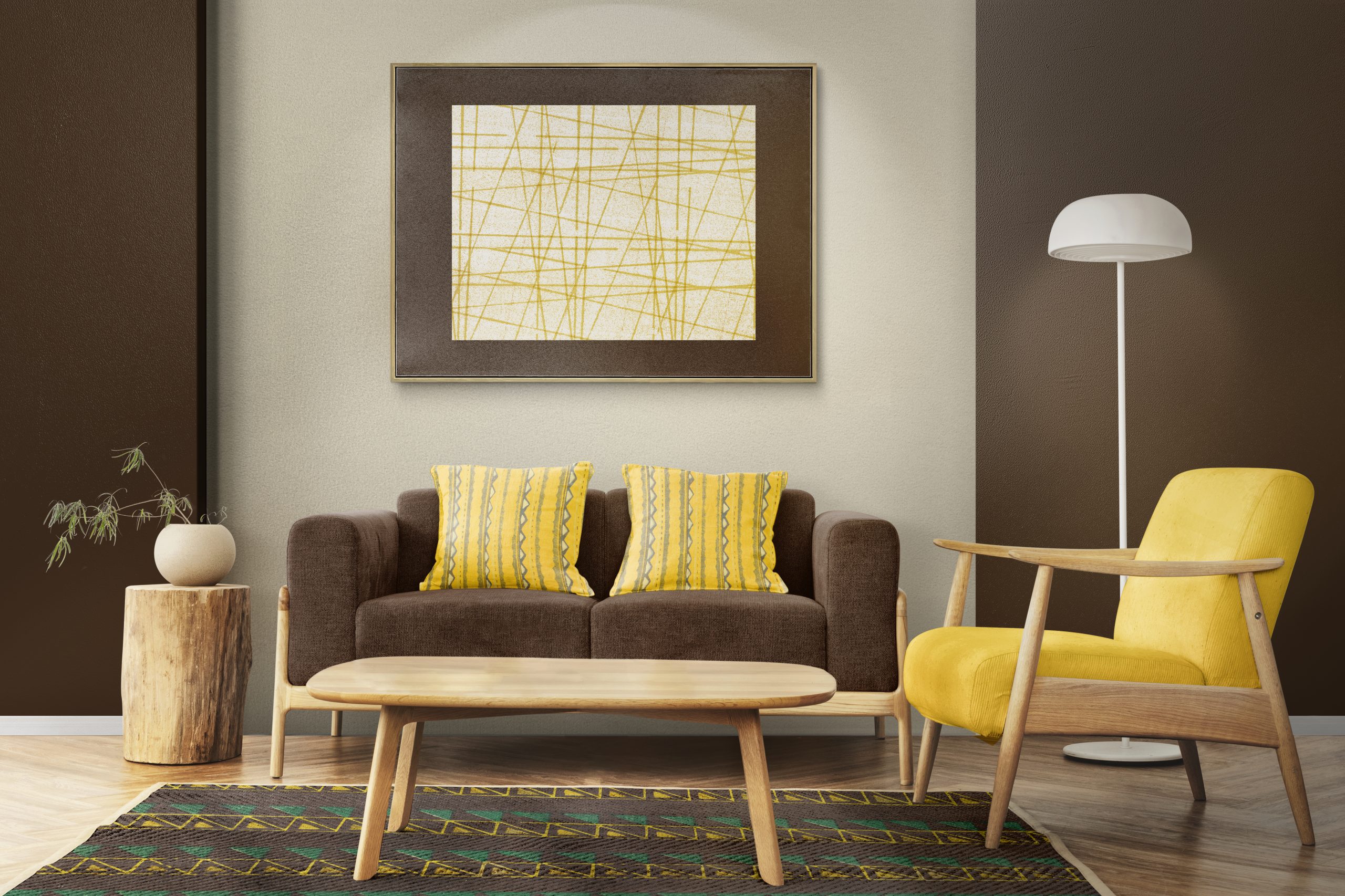
Balance allows contrast. A soft fabric next to a rough surface. A clean modern sofa beside a slightly worn wooden chair. These differences create visual movement.
The goal is not to make everything look the same. The goal is to make everything feel connected despite being different.
When you achieve that, the room feels alive.
-
Stick to a Color Story

Colors quietly hold a room together.
You do not need to limit yourself to one shade, but you do need a sense of direction. A few core colors repeated in different ways can bring harmony even when the furniture styles vary.
For example, a neutral base with hints of warm tones can make a space feel grounded. A cooler palette can create a calm environment. The exact choice depends on what you want the room to feel like.
Without a color story, furniture starts to feel disconnected. Even beautiful pieces can look out of place if they do not relate to each other in some way.
-
Play with Textures

Texture is often overlooked, but it changes everything.
A room filled with smooth surfaces can feel flat. Adding different textures brings depth. A soft rug, a wooden table, a linen sofa, a metal lamp. Each surface reflects light differently and adds its own character.
Even if the color palette is simple, textures keep the space interesting.
You do not notice texture immediately, but you feel it over time.
-
Respect Scale and Proportion

One of the most common mistakes is ignoring size relationships.
A large sofa in a small room can feel overwhelming. A tiny table next to a wide couch can look misplaced. Mixing styles works only when the proportions make sense.
Look at how pieces relate to each other. Not just individually, but as a group. The height, width, and spacing between them all matter.
When scale is right, even very different pieces start to feel like they belong together.
-
Use One Statement Piece

Every room needs something that stands out.
It could be a bold chair, a unique coffee table, or even a piece of art. This becomes the point your eyes naturally move towards.
Once you have a statement piece, let it breathe. Do not crowd it with too many competing elements. Supporting pieces should quietly complement it.
A strong focal point gives the room direction.
-
Repeat Elements Subtly

Repetition is what ties everything together without making it obvious.
If you have a wooden finish in one area, bring a similar tone somewhere else. If a certain color appears once, let it appear again in a smaller detail.
These small repetitions create a rhythm. They make the room feel thoughtful instead of random.
It is not about copying the same element again and again. It is about echoing it just enough.
-
Leave Space to Breathe

Not every space needs to be filled.
Empty areas are as important as the filled ones. They give the room a sense of openness and allow each piece to stand out.
When a room is overcrowded, even good furniture loses its impact. The eye does not know where to rest.
A little space can make everything feel more intentional.
Common Mistakes to Avoid
Over-matching is one of the biggest issues. When everything looks like it belongs to a single set, the room feels predictable. There is no contrast, no surprise.
Ignoring function is another problem. A chair that looks good but is uncomfortable will eventually be avoided. A table that does not fit your daily use becomes a burden.
Following trends without thinking can also lead to regret. Trends change quickly. What feels current today might feel outdated later. It is better to build a space that reflects you rather than what is popular.
Cluttering is something many people struggle with. Adding more does not always improve a space. Sometimes removing a piece does more than adding one.
Final Thought
Mixing and matching furniture is not about getting it right on the first try. It is about observing how a space feels and adjusting it slowly.
You bring in a chair. You move a table. You change a lamp. Over time, the room starts to respond. It becomes more comfortable, more familiar.
A well designed interior does not demand attention. It grows on you. You sit in it, live in it, and without realizing, it starts to feel like an extension of you.
That is when you know the mix is working.