


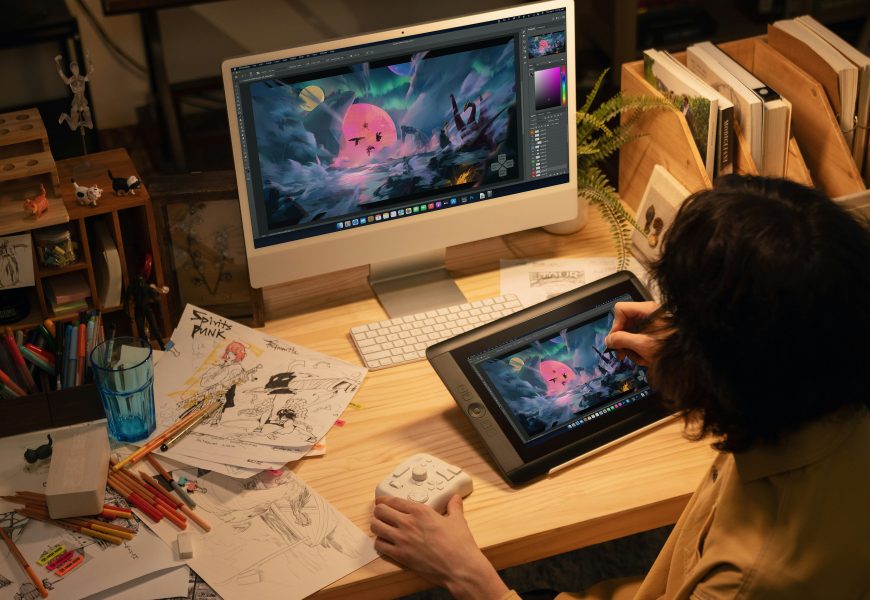
A student portfolio is your proof that you can actually animate. Marks don’t matter much here. When a studio is hiring a fresher, they want to see what you’ve made before they read anything else. So, if you’re about to start applying for jobs or internships, spend a few weeks on your samples. It’ll do more for you than another certificate.
Here’s what I’ll go through: what a portfolio is, what goes in it, which projects to show, and how to build one when you’ve never had a job. I’ll also cover your animation resume, the skills worth listing, and how a diploma in animation and VFX can help you put it all together without guessing.
Table of Content
What Is a Student Portfolio for an Animation Career?
Why Is an Animation Portfolio Important for Freshers?
What Should an Animation Portfolio Include?
Which Projects Should Animation Students Showcase?
How to Create an Animation Portfolio Without Professional Experience?
What Should an Animation Resume Include?
What Skills Should You Highlight on an Animation Resume?
How Can a Diploma in Animation and VFX Help Build Your Portfolio?
What Common Mistakes Should You Avoid in an Animation Portfolio?
Final Takeaway: Building an Animation Portfolio That Supports Your Career
FAQs
What Is a Student Portfolio for an Animation Career?
Think of it as a highlights reel of your best work. Someone should be able to scroll through it in two minutes and get a good idea of what you can do.
In animation, that’s usually a short demo reel, a few finished pieces, and some behind-the-scenes stuff showing how you made them. Put it online (your own site, ArtStation, Behance, whatever you like) so you can send a single link instead of a pile of attachments.
Why Is an Animation Portfolio Important for Freshers?
You’ve got no job history yet, so your work has to do the talking. A lot of hiring teams in animation and VFX watch the reel first and only skim the resume afterwards.
Some skip the resume completely if the reel doesn’t grab them. Good samples also give you something real to talk about in an interview, which is way better than saying you learn fast.
What Should an Animation Portfolio Include?
Not much, honestly. Keep it simple.
- A demo reel, 60 to 90 seconds, with your best shot first
- A few finished projects. Finished is the key word here
- Some process work, like sketches, rigs and turnarounds, so people can see how you think
- A short bio with what you want to do and what software you use
- Your email, somewhere easy to spot
I’d take five good pieces over twenty so-so ones. Nobody scrolls through twenty mediocre shots to find the good one.
Which Projects Should Animation Students Showcase?
Go for projects that match the job you want. A mix usually works.
- A character piece, like a walk cycle or a short acting shot with real emotion
- A 3D model or asset: a prop, a character, or a small environment, nicely textured and lit
- A tiny story, even 20 or 30 seconds, to show you can tell one
- A VFX or motion graphics shot, if that’s your direction
- One personal project that you made just for fun
Leave out anything that looks rushed. Tutorial work is fine for learning, but don’t put it in unless you changed it a lot and say where it came from.
How to Create an Animation Portfolio Without Professional Experience?
No job history is normal. Everyone starts there. Here’s how to build something anyway.
- Take your best course assignments and polish them before adding them
- Start something small. A 15-second shot that’s done beats a huge idea that isn’t
- Recreate a shot from a film you love, then change it so it feels like yours
- Try an online animation challenge, since deadlines and feedback help a lot
- Show people early, because mentors and friends spot problems you’ve gone blind to
Aim for one new finished piece every month or two. After six months, your student portfolio will look pretty different.
What Should an Animation Resume Include?
One page. Name, contact details, and portfolio link at the top so nobody has to dig for them. Then a short summary, your skills and software, projects, any internships, and education. If you’re a fresher, put projects above education.
For each project, write what you actually did, not just the title. And click your reel link before you hit send. A broken link can end your application right there.
What Skills Should You Highlight on an Animation Resume?
Match the skills to the job. Don’t dump everything you’ve ever touched onto the page.
- Software: Maya, Blender, After Effects, Photoshop, Premiere Pro, anything you can really use
- Animation basics: timing, spacing, posing, acting, a bit of rigging
- Modelling and texturing, if you’re aiming at 3D
- A feel for composition and design
- The boring but important stuff: taking feedback, meeting deadlines, working with others
One rule: if your reel doesn’t show a skill, cut it from the list.
How Can a Diploma in Animation and VFX Help Build Your Portfolio?
A course gives you deadlines, feedback, and projects that are already lined up. That’s the part most self-taught people struggle with. AAFT Online’s Diploma in 3D Animation & VFX is a one-year online program with 54 modules and 14 projects, covering pre-production, modelling, rigging, animation, FX and motion tracking.
A diploma in animation and VFX like this also covers tools studios actually use, like Maya, Blender, After Effects, Photoshop, and Premiere Pro. There’s a career-readiness stage too, where you work on your resume and reel with expert feedback. You end up with real work to show, not just a certificate.
What Common Mistakes Should You Avoid in an Animation Portfolio?
Same mistakes, over and over. Avoid these, and you’re already ahead of plenty of applicants.
- Too much stuff. A long reel full of average work hides your good bits
- Your best shot at the end, where nobody gets to it
- Unfinished pieces, which look careless
- No context. Say what you did, especially on group projects
- A reel that’s hard to open, like broken links, giant files, or forced logins
People decide fast, so make it easy for them.
Final Takeaway: Building an Animation Portfolio That Supports Your Career
Your student portfolio is what gets you the interview, so don’t rush it. Pick your best work, show a little of how you made it, keep the resume clean, and make it all easy to find. Only list skills you can prove, and keep adding new stuff as you improve.
If you’d like structure and expert feedback while you do it, a diploma in animation and VFX can help with both. It also makes it way easier to turn a pile of assignments into a portfolio and animation resume you’re happy to send.
Frequently Asked Questions
1. Can I create an animation portfolio if I have no work experience?
Yes, and most freshers do it this way. Use your best course assignments, add a couple of personal projects, and recreate a shot or two your own way. Studios care more about what you can make than where you’ve worked, so a short, polished reel goes a long way.
2. Should an animation portfolio include personal projects?
Definitely. They show what you’re curious about and how you work when nobody’s giving you a deadline. Pick one or two you’re proud of and actually finish them. They’re also fun to talk about in an interview, much better than rehearsed answers.
3. Should an animation portfolio include 3D and 2D work together?
Depends on the job. If you’re going for one specific role, show mostly that kind of work. If you want to stay open, a mix is fine, as long as it all looks polished. Put your strongest pieces first and don’t pad it with weaker stuff.
4. Can an animation portfolio help students get internships?
Yes, and often more than marks do. A lot of studios watch your reel before they read your resume, so a clean, focused set of work can get you an interview. Add a short note on what you did in each piece, especially for group projects.
5. What software skills should an animation fresher mention on a resume?
List the tools you can really use, like Maya, Blender, After Effects, Photoshop and Premiere Pro, plus anything role-specific like Houdini or Unreal Engine. Don’t pad the list. If you mention a tool, something in your reel should actually show it.





















Comments (0)