


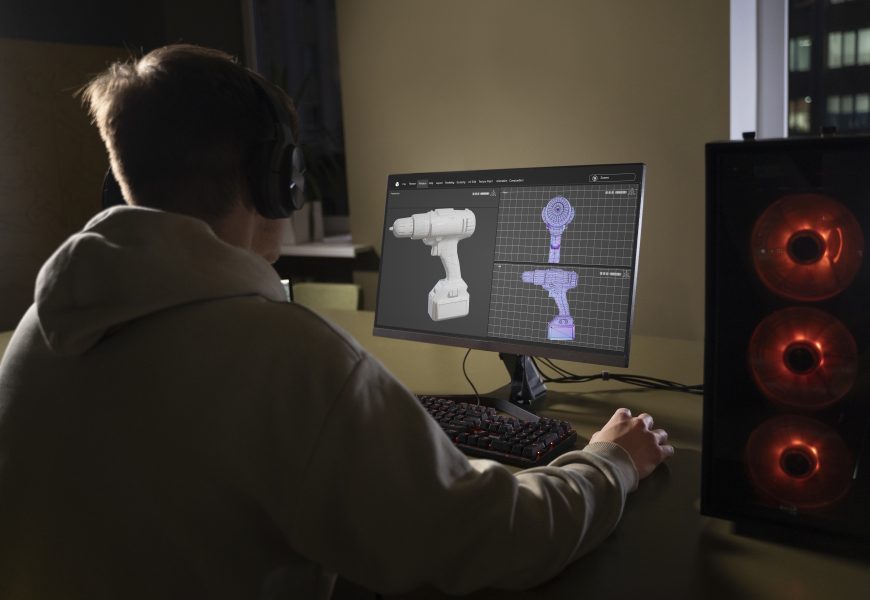
A visual effects course is how most people get into compositing, the part of VFX where separate pieces of footage turn into one believable shot. If you’ve ever wondered how an actor in front of a green screen ends up on Mars, that’s compositing. It’s in demand, and you don’t need film school to learn it.
This guide covers what compositors do, how Nuke and After Effects differ, which skills matter, and where a diploma in animation and VFX fits in. We’ll also look at what a VFX compositor salary in India looks like.
Table of Content
What Is VFX Compositing?
How Does VFX Compositing Work in Film and Video Production?
What Is Nuke Used for in VFX Compositing?
What Is After Effects Used for in VFX?
Nuke vs After Effects: What Is the Difference?
What Skills Do You Need to Become a VFX Compositor?
What Do You Learn in a VFX Compositing Course?
What Is a Nuke Compositing Course and Who Should Take It?
How Can a Visual Effects Course Prepare You for a Compositing Career?
How Can a Diploma in Animation and VFX Help You Become a Compositor?
What Career Opportunities Are Available in VFX Compositing?
VFX Compositor Salary in India: What Factors Affect Earnings?
Final Takeaway: Building a Career in VFX Compositing
FAQs
What Is VFX Compositing?
A compositor takes pieces from different sources, like filmed footage, 3D renders, green-screen shots, and painted backgrounds, and blends them until they look like one shot.
Good compositing is invisible. If the audience notices it, something went wrong. Most of the job is matching colour, light, shadows, and grain.
How Does VFX Compositing Work in Film and Video Production?
Compositing sits near the end of the pipeline. The shoot comes first, 3D artists render their elements, and then the compositor gets all the layers.
The usual steps are keying out the green screen, rotoscoping, tracking the camera, adding CG, matching colour, and final polish. Then it goes to the director for notes, and sometimes it comes back many times.
What Is Nuke Used for in VFX Compositing?
Nuke is the main tool for feature films and high-end series. It’s node-based, so you connect boxes in a graph instead of stacking layers.
That suits complex shots with lots of elements and 3D camera work. Big studios use it as standard, so a nuke compositing course is a common choice for people who want film jobs.
What Is After Effects Used for in VFX?
After Effects is layer-based and easier to start with. It’s widely used for motion graphics, titles, ads and lighter VFX like screen replacements and clean-ups.
Many artists learn it first because it’s friendlier, though a shot with hundreds of layers can get messy.
Nuke vs After Effects: What Is the Difference?
Both do compositing, but they suit different jobs.
|
Aspect |
Nuke | After Effects |
| Workflow | Node-based |
Layer-based |
|
Best for |
Film and high-end series | Motion graphics, ads, quick VFX |
| Learning curve | Steeper |
Easier to start |
|
Complex shots |
Handles them well | Can get messy with many layers |
| Where you’ll see it | VFX studios |
Agencies, freelancers, small studios |
Most compositors end up knowing both.
What Skills Do You Need to Become a VFX Compositor?
You don’t need to draw well, but you need a good eye.
- A sharp sense of colour, light and shadow
- Patience, since one shot can go through dozens of revisions
- Comfort with Nuke or After Effects
- Basic 3D knowledge
- The ability to take notes without taking them personally
A VFX compositing course can build the technical side, but the eye mostly comes from practice.
What Do You Learn in a VFX Compositing Course?
A VFX compositing course usually starts with keying and rotoscoping, then moves on to motion tracking, colour matching, and working with 3D elements. Y
ou also learn to organise your node graph or layers so another artist can open your file. The better courses give you real shots to work on, because a showreel is what gets you hired.
What Is a Nuke Compositing Course and Who Should Take It?
A nuke compositing course focuses only on Nuke, from basic nodes to film-level shots. It suits a specific kind of learner.
- People aiming for film or high-end series jobs
- After Effects users ready for node-based work
- Freelancers targeting international studios
- Students who already know the basics
If you’re brand new to VFX, learn the basics first. A nuke compositing course assumes you already know what compositing is.
How Can a Visual Effects Course Prepare You for a Compositing Career?
A broad visual effects course shows you the whole pipeline: modelling, animation, lighting, FX, and compositing. Compositors receive work from all those departments, so if you know how a render is made, you can fix problems yourself instead of waiting. You also build portfolio projects, which count for more than certificates.
How Can a Diploma in Animation and VFX Help You Become a Compositor?
A diploma in animation and vfx gives you the full pipeline in one place. AAFT Online’s Diploma in 3D Animation & VFX is a one-year online program with 54 modules, 14 projects and 270+ learning hours. It has modules on motion graphics and digital compositing, motion tracking and FX, and teaches After Effects, Premiere Pro, Photoshop, Blender and Maya.
What Career Opportunities Are Available in VFX Compositing?
Compositing skills lead to several roles.
- Compositor at a VFX studio
- Roto or paint artist, often the first way in
- Motion graphics designer for ads and OTT promos
- Compositing supervisor, after several years
- Freelance compositor for studios in India and abroad
Many people start in roto and paint, then move up. Explore career path in animation and VFX to build successful career.
VFX Compositor Salary in India: What Factors Affect Earnings?
A VFX compositor salary in India changes a lot between studios, and sources don’t fully agree. Here’s a rough picture.
- Experience: freshers often start around ₹2-4.5 LPA, mid-level around ₹4-8 LPA, senior roles ₹8-14 LPA or more
- Tool skill: Nuke skills usually pay better than After Effects alone
- Studio and city: Mumbai, Bangalore, and Hyderabad studios often pay more
- Showreel: a strong reel can beat years of average experience
- Freelance or full-time: freelancers earn per project, so income swings
Treat these as ballpark numbers. Every VFX compositor salary in India depends on the studio, the city, and the quality of your reel.
Final Takeaway: Building a Career in VFX Compositing
Compositing isn’t flashy work. You’ll spend hours fixing tiny edges and fighting green spill. But when a shot finally clicks, it feels great.
Begin with a visual effects course or a full diploma in animation and VFX, put two or three solid shots on a showreel, and touch Nuke once the basics stop scaring you. Don’t stress about money early on. The first couple of years are for learning, and the pay follows.
Frequently Asked Questions
1. Is Nuke difficult to learn for beginners?
Honestly, it feels odd for the first few weeks. Nuke uses nodes, not layers, so if you’ve used After Effects, your brain keeps looking for the layer stack. Give it a few months of regular practice. Learn keying and tracking first, and the node graph stops looking like spaghetti.
2. Can I learn VFX compositing without prior animation experience?
Yes, you can. Compositing doesn’t ask you to animate or draw. What helps is a decent eye for colour and light. A VFX compositing course can start you from zero, and plenty of compositors began as roto or paint artists before they got full shots.
3. Should I learn Nuke or After Effects first?
After Effects first, for most people. It’s friendlier, so you pick up the basics faster. Once you want to do film or high-end series work, sign up for a nuke compositing course. The ideas are the same in both tools. Only the buttons and workflow change, so nothing you learn is wasted.
4. How long does it take to learn VFX compositing?
For the basics, think three to six months if you practise regularly. A full visual effects course or diploma takes about a year. But learning isn’t the finish line. You need a showreel to get hired, so keep extra time for personal projects and for polishing your best shots.
5. Do VFX compositors need to know 3D software?
Not really, no. You just need to know what a render, a camera, and a light are, because 3D artists will send you passes to work with. Some Maya or Blender helps when you need to talk to them or sort out a problem. You won’t be building the models yourself.
6. Can VFX compositors work in the film and OTT industry?
Yes, both. Films and web series need compositors for clean-ups, set extensions, and green-screen shots. OTT has pushed VFX demand up in India, and plenty of Indian studios now work on international shows too. So, you’re not limited to local films.
7. Is VFX compositing a good career for beginners?
It can be, if you like detail work and can live with revisions. Roto and paint jobs are the easiest way in, and they teach you how shots get built. Pay starts small and grows with your skills. A little patience goes a long way here.
8. Can a VFX compositor work as a freelancer?
Yes. Lots of compositors freelance for Indian studios, ad agencies, and overseas companies, usually after a few years inside a studio. You’ll need a strong showreel, a decent computer setup, and good communication. Clients notice reliability as much as skill, and they remember who delivered on time.





















Comments (0)