


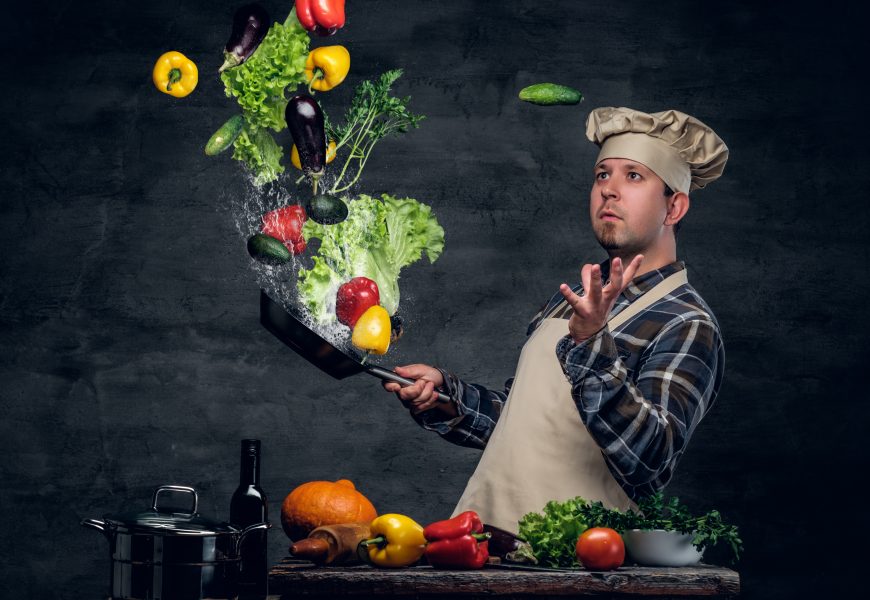
Every culinary enthusiast has a question: What makes a great chef? To which this blog is an answer. Becoming an effective chef requires passion, creativity, and dedication. A chef is not just someone who simply makes meals; they are the creators of amazing culinary experiences. But what defines a chef? Is it their technical knowledge, aptitude to innovate dishes, or something else altogether? In this post, we’ll look at the necessary qualities, talents, and educational paths that make a skilled chef, as well as how to pursue this interesting job.
Table of Contents
What is a Chef?
Roles and Responsibilities of a Chef
The Importance of a Chef
Skills to Become a Chef
Top 9 Qualities to Become a Successful Chef
Educational Pathway to Become a Chef
Conclusion
Frequently Asked Questions
What is a Chef?
A chef is more than just a merely cook; they are culinary artists, leaders, and educators all in one. A chef’s role involves monitoring the preparation and presentation of food, managing kitchen staff, ensuring hygiene standards, and maintaining a well-organized kitchen. A chef’s responsibilities go beyond cooking; to produce unique dining experiences, he or she must balance creativity with operational efficiency and what makes a good chef? Read more to know.
Roles and Responsibilities of a Chef
What makes a great chef; The responsibilities and this responsibilities of a chef can vary depending on the kitchen’s size and style as well as which organization and chain he is working for. However, some core duties which are so basic include:
- Menu Planning: Designing diverse, flavorful, and well-balanced menus.
- Food Preparation: Overseeing the preparation of meals and ensuring they meet high standards.
- Staff Management: Leading the kitchen team and ensuring everyone knows their responsibilities.
- Hygiene and Safety: Enforcing cleanliness and food safety practices.
- Cost Control: Managing inventory and keeping food waste under control.
The Importance of a Chef
A chef’s role is crucial in the food industry. They directly influence the restaurant’s reputation, the customer’s dining experience, and the overall success of the business. A great chef not only provides high-quality dishes but also ensures that the kitchen operates smoothly, creating a positive environment for both customers and staff.
Skills to Become a Chef
Becoming a good chef requires mastering both technical as well as soft skills. Let’s take a closer look at each of these. How to become a chef with technical skills.
Technical Skills:
- Knife Skills: Precision in chopping, slicing, and dicing is essential.
- Cooking Techniques: From grilling to baking, a chef should be proficient in various cooking methods.
- Food Safety and Hygiene: Knowledge of safe food handling practices is non-negotiable.
- Time Management: A chef must manage multiple dishes at once and ensure everything is cooked to perfection within the time constraints.
- Recipe Creation: Understanding flavor combinations and how to craft dishes that wow customers.
Soft Skills:
- Creativity: A chef should be able to innovate and come up with unique dishes.
- Communication: Clear communication is key, both with the team and with customers.
- Patience: The kitchen can be a stressful environment, and a chef must remain calm under pressure.
- Problem-Solving: Quick thinking is essential, especially when things don’t go as planned.
- Adaptability: The ability to adjust to changing trends, customer preferences, and challenges is crucial.
Top 9 Qualities to Become a Successful Chef
How to become a chef: A good chef doesn’t just need technical prowess; they also need specific qualities that help them thrive in a fast-paced, demanding environment.
- Dedication: A successful chef is fully committed to their craft, spending hours perfecting recipes and honing their skills.
- Strong Leadership: Leading the kitchen team efficiently and ensuring everyone works harmoniously is vital.
- Innovative Thinking: Creativity is a must for crafting new dishes and adding unique twists to traditional recipes.
- Sharp Intuition: A chef must be able to anticipate customer preferences and adapt quickly to kitchen dynamics.
- Refined Taste and Palate: A keen sense of taste is crucial for creating dishes with balanced and exciting flavors.
- Guiding and Mentoring Abilities: A chef should be able to train new cooks and help them grow professionally.
- Keen Attention to Detail: Whether it’s the garnishing of a plate or the precise timing of a dish, attention to detail is essential.
- Operational Efficiency: Successful chefs must manage time, staff, and resources to keep the kitchen running smoothly.
- Proficient Multitasking Skills: Juggling multiple tasks at once without compromising quality is a necessary skill for any chef.
Educational Pathway to Become a Chef
How to become a chef in India? While a natural flair for cooking and creativity is important, formal training can provide the foundation you need to succeed. What is a culinary course? A culinary course offers wide and overall knowledge and skill development in hotel management. To know more, surf on AAFT Online, which offers a Diploma in Culinary Arts, designed to equip aspiring chefs with the skills and knowledge they need to excel in the kitchen.
This program covers everything from culinary techniques and kitchen management to food safety and nutrition, helping students understand the complexities of the culinary world. With expert guidance and hands-on experience, the program prepares students for a fulfilling career in the food industry.
Conclusion
Becoming a great chef involves more than just cooking; it’s about mastering a blend of technical and soft skills, displaying dedication, and continually learning. Whether you’re just starting out or looking to elevate your culinary career, pursuing the right education, such as AAFT Online’s Diploma in Culinary Arts, can help you sharpen your skills and stand out in the competitive culinary world.
Ready to take your passion for cooking to the next level? Enroll today and start your journey toward becoming a great chef!
Frequently Asked Questions
1. What separates an executive head chef from an ordinary line cook?
A line cook focuses on cooking one station well, following recipes and keeping up during service. An executive head chef runs the whole kitchen. They design menus, control food costs, manage suppliers, train and schedule the team, and make sure hygiene and quality standards are met. The role calls as much for leadership and planning as for cooking skill.
2. What is the culinary brigade system (Brigade de Cuisine)?
It’s a kitchen hierarchy developed by Auguste Escoffier, in which every cook has a defined role and station. At the top is the executive chef, followed by the sous chef. Below them are the chefs de partie, who run stations such as sauces, grill, fish and pastry. Commis chefs assist at each station. The system keeps a busy kitchen organised, fast and consistent.
3. What are the foundational knife cuts every professional chef must master?
The core cuts are julienne (thin matchsticks), batonnet (thicker sticks), brunoise (fine dice), small, medium and large dice, chiffonade (thin ribbons of leafy herbs), and mince. Uniform cuts help food cook evenly, look professional on the plate and keep prep fast. They’re taught early in a culinary diploma because every other technique builds on them.
4. Is formal culinary certification necessary to work in 5-star hotels?
It’s not legally required, but most 5-star hotels prefer candidates with formal training. A diploma shows you understand kitchen hygiene, techniques and professional standards. Hands-on experience still matters just as much. Most people combine a recognised diploma with kitchen training or hotel placements to build a stronger profile, and it can open doors to entry-level roles in these kitchens.
5. What are the alternative career paths for trained professional chefs?
Trained chefs aren’t limited to restaurant kitchens. Common options include:
- Pastry chef or baker
- Caterer or private chef
- Food stylist
- Culinary instructor
- Menu or recipe developer
- Cruise ship chef
- Food business owner, such as a café, cloud kitchen or bakery
- Food content creator
Lorem ipsum dolor sit amet, consectetur adipiscing elit. Ut elit tellus, luctus nec ullamcorper mattis, pulvinar dapibus leo.
























Comments (0)