

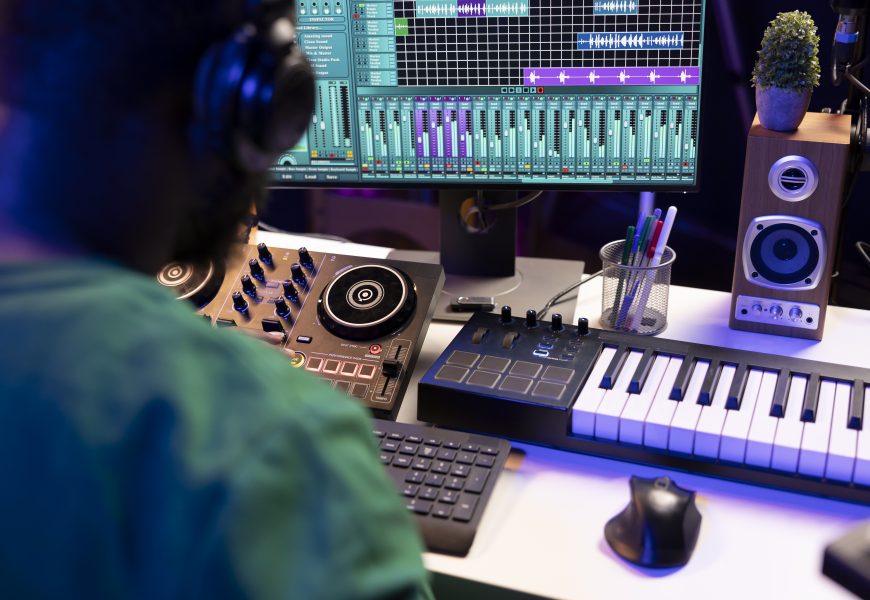
The music industry is growing rapidly through streaming, podcasts, movies, gaming, and social media content creation, which is why there are several opportunities out in the market for music professionals. For aspirants interested in music production, music creation, recording, and sound design, a music production course can offer the practical understanding and creative skills essential to this competitive industry. If you are a music enthusiast and want to work in a studio, produce original music, or work with artists, a diploma in music production can enable you to build a solid foundation.
In this guide, we will explore everything a music aspirant needs to know about music production courses, including prerequisites, duration of the music production course, learning formats like an online music production course, fees of a music production course, how to apply, and career prospects after completing a music production course. So, let’s move into this topic and help you understand how you can choose your music production course with confidence.
Table of Contents
- What Is a Music Production Course and Is It Right for You?
- What Does a Music Producer Actually Do?
- Diploma in Music Production vs Degree — Key Differences
- Eligibility Criteria for Music Production Courses in India
- Can I Join a Music Production Course After 10th or 12th?
- Age Limit, Stream & Other Eligibility Requirements
- Types of Music Production Courses Available in India
- Diploma in Music Production — Overview
- Online Music Production Course — Learn from Anywhere
- Short-Term Certificate Courses in Music Production (3–6 Months)
- Music Production Course Duration
- How Long Is a Diploma in Music Production?
- Duration Comparison: Certificate vs Diploma vs Degree
- Music Production Course Fees in India: Budget to Premium Options
- Average Music Production Course Fees in India
- Scholarships & EMI Options for Music Production Students
- Admission Process for Music Production Courses in India
- How to Enrol in an Online Music Production Course
- Frequently Asked Questions
- What is a Music Production Course and What Will I Learn?
- Can I Learn Music Production Completely Online?
- What Are the Eligibility Requirements for a Diploma in Music Production?
- What Are the Fees for a Music Production Course?
- What Is the Duration of a Music Production Course?
What Is a Music Production Course and Is It Right for You?
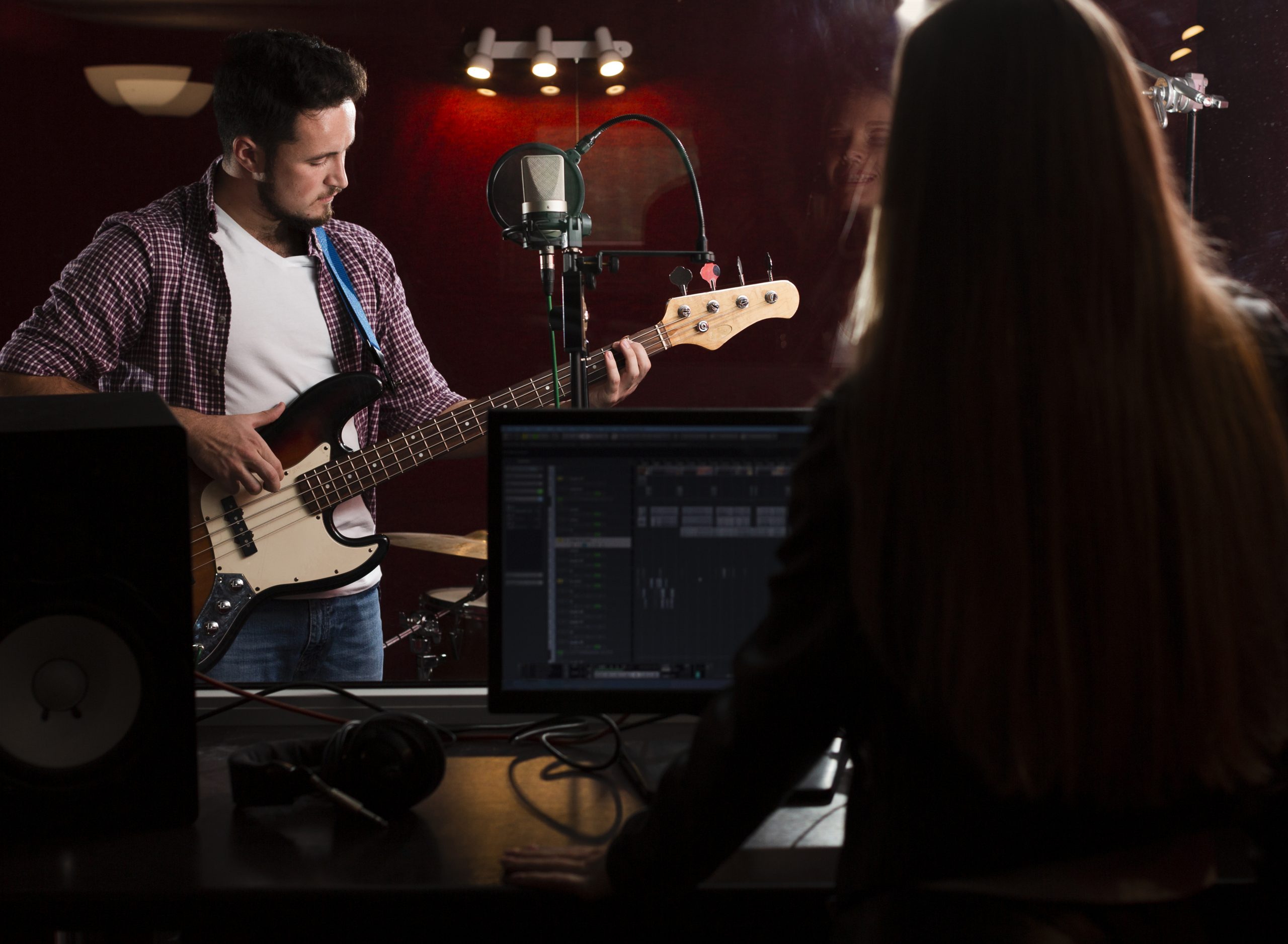
A music production course is curated in such a way that it teaches students aspects of music like recording, mixing, editing, and production. The syllabus is designed to teach creative and technical aspects of music, helping students to know every stage of the music production process.
Students typically learn topics such as:
- Music theory fundamentals
- Music composition
- Audio recording techniques
- Sound design
- Digital Audio Workstations (DAWs)
- Studio production workflows
- Mixing and mastering
The program is good for aspirants who want to become music producers, composers, musicians, and content creators.
What Does a Music Producer Actually Do?
A person who oversees the creative and technical direction of music is called a music producer. Their job role is to record artists, arrange pieces of music, record singers, select tracks, oversee track edits, and make sure that the final piece is what it was intended to be.
Varying by projects, producers work with bands, singers, filmmakers, ad agencies, game companies, or freelance music artists. They are a crucial aspect of making the music sound perfect while keeping the quality top-notch.
Read More: What Does a Music Producer Do: Learn & Become a Producer
Diploma in Music Production vs Degree — Key Differences
Before making a decision or during a conversation about pursuing a music course, students usually compare a diploma in music production with a degree program.
A diploma program is a specialised course that concentrates on hands-on skills and industry software. In duration, it ranges from 6 months to 2 years, making it comparatively shorter than a degree program, which also makes it an ideal choice for many aspirants, as it is a quicker option to get into the industry.
A degree program, on the other side cover wide range of topics and is more of a detailed course compared to a diploma course. These courses can range anywhere from 2 years to 4 years. Therefore, a degree program requires a longer commitment.
For aspirants who want to get into the industry quicker but with relevant industry skills and hands-on experience, a diploma program is more suitable.
Eligibility Criteria for Music Production Courses in India
The eligibility requirements for music production programs are generally straightforward and accessible to students from different educational backgrounds.
Most institutes focus on a candidate’s interest in music, creativity, and willingness to learn rather than prior professional experience.
Basic requirements may include:
- Completion of Class 10 or Class 12 from a recognised board.
- Submission of academic documents.
- Meeting institute-specific admission criteria.
- Completion of the application process.
Some institutes may also conduct interviews or aptitude assessments.
Can I Join a Music Production Course After 10th or 12th?
Yes, students can pursue a music production course after completing either Class 10 or Class 12, depending on the program requirements.
Certificate programs are often available after Class 10 and focus on foundational concepts. Diploma programs after Class 12 generally provide more comprehensive training, advanced software skills, and practical production experience.
Students who have completed Class 12 often have access to a wider range of specialised music production programs and career opportunities.
Read More: Exploring Career Opportunities in Music Production
Age Limit, Stream & Other Eligibility Requirements
Most of the institutes don’t have any strict age restrictions for applying to a music production course.
Aspirants from Arts, Commerce, and Science backgrounds usually come under the eligibility criteria. A little understanding of music can be helpful.
What institutes usually look at while offering aspirants the course is their interest in music and creativity.
Types of Music Production Courses Available in India
Students can choose from different types of music production programs based on their career goals, schedule, and learning preferences.
Diploma in Music Production — Overview
A diploma in music production provides structured training in audio production, recording techniques, music arrangement, mixing, mastering, and studio operations.
The curriculum is designed to prepare students for professional roles within the music and entertainment industry. Along with technical training, learners often work on projects that help them build a strong portfolio.
Many students choose diploma programs because they offer a balance between practical learning and career-focused education.
Online Music Production Course — Learn from Anywhere
An online music production course allows students to develop production skills without attending physical classes.
Benefits of online learning include:
- Flexible study schedules.
- Access to recorded lectures.
- Learning from industry professionals.
- Reduced commuting and accommodation expenses.
- Opportunity to learn while working or studying.
An online music production course is particularly useful for learners who prefer self-paced education or do not have access to specialised institutes in their city.
Read More: Learn Music Production Online in 2026 and Their Key Benefits
Short-Term Certificate Courses in Music Production (3–6 Months)
Short-term certificate programs are designed for learners who want to gain specific production skills quickly.
These courses may focus on:
- DAW software training.
- Mixing and mastering.
- Beat production.
- Sound design.
- Audio editing fundamentals.
Certificate courses are often ideal for hobbyists, content creators, and individuals looking to enhance existing skills.
Music Production Course Duration
One of the most important factors students consider before enrolling is the music production course duration.
The length of a program depends on the qualification level, curriculum depth, and learning format.
Most programs combine theoretical concepts with practical studio training to ensure students develop industry-ready skills.
How Long Is a Diploma in Music Production?
A diploma in music production generally ranges from several months to one year, depending on the institution and curriculum structure.
During this period, students learn essential production techniques, software applications, recording methods, and project-based workflows that prepare them for professional opportunities.
The exact music production course duration may vary between institutes.
Duration Comparison: Certificate vs Diploma vs Degree
Here’s a general comparison:
| Course Type |
Typical Duration |
|
Certificate Course |
3–6 Months |
|
Diploma Program |
6–12 Months |
| Degree Program |
3–4 Years |
Students seeking faster entry into the industry often choose diploma programs, while degree programs provide broader academic education.
Music Production Course Fees in India: Budget to Premium Options
The fee for the music production program can differ based on the college, course structure, mentor expertise, facilities, and format of learning.
Students should not only look at the music production course fees while comparing with the fees of the institutes, but also look at facilities, curriculum, offerings, and financial aid.
Average Music Production Course Fees in India
Music production course fees can be different for different institutes.
Factors influencing fees include:
- Course duration.
- Industry exposure.
- Access to professional software.
- Learning format (online or offline).
- Faculty expertise.
- Certification value.
Online format learning offers a more flexible learning experience and quality industry-oriented learning education.
It’s important for students to check the fee structure of the program before applying for the course directly with the institute.
Scholarships & EMI Options for Music Production Students
Creative education has now become more convenient and accessible because many institutes have started offering flexible financial options, scholarships, assistance in terms of fees
These alternatives enable students to make sound financial decisions, avoiding excessive financial stress.
Applicants should consider inquiring directly with the institute about financial aid and scholarships before enrolling in the course.
Read More: Master the Art of Music Production: A Step-by-Step Guide for Music Producers
Admission Process for Music Production Courses in India
The admission process for music production programs is usually simple and student-friendly.
Most institutes require candidates to complete an online application and submit academic documents for verification.
Step-by-Step Application Process Guide
The typical admission process includes:
Step 1: Select the preferred program.
Step 2: Complete the online application form.
Step 3: Upload academic and identification documents.
Step 4: Submit the application.
Step 5: Attend interviews or assessments if required.
Step 6: Receive admission confirmation.
Step 7: Complete fee payment and enrolment formalities.
Following these steps carefully helps ensure a smooth admission process.
How to Enrol in an Online Music Production Course
Enrolling in an online music production course is generally straightforward.
Students can visit the institute’s website, explore available programs, review eligibility requirements, complete the application form, upload documents, and finalise admission after receiving confirmation.
Most online programs also provide digital orientation sessions to help learners get started with the course structure and learning platform.
Frequently Asked Questions
What is a music production course and what will I learn?
A music production course is a program that specializes in creative and technical aspects of making music through editing, recording, mixing, and mastering. Learners understand concepts like DAW, recording techniques, the concept of sound, and alignment of music used in the entertainment industry.
Can I learn music production completely online?
Yes, an online music production program enables learners to study flexibly from anywhere through online classes, prerecorded lectures, hands-on assignments, and case studies. Many online learning platforms offer industry-suitable skills and software training, like DAW, that assists students to work with confidence when they enter the entertainment industry.
What are the eligibility requirements for a diploma in music production?
The eligibility criteria for anyone wanting to pursue a diploma in music production is to complete 12th grade from a recognised institute. There are several institutes that allow students to pursue a diploma in music production after 10th with an interest in music, mixing, and mastering. The eligibility may vary depending on the institute and the type of course the students want to apply for.
What are the fees for a music production course?
The music production course fees depend on various factors like institute, type of course, structure of the course, syllabus, and length if the course. It also depends on the facilities and the expertise that the mentors bring with them. Online programs are more pocket-friendly compared to traditional classroom courses. Before enrolling in any program, students need to understand the structure of the course, financial options, and scholarships available
What is the duration of a music production course?
The music production course duration is different for different courses as per the course curriculum. Certificate courses are short-term and can be around 3 months to 6 months in duration, while diploma courses can range from 6 months to up to a year, followed by degree courses that go on for 3 to 4 years, depending on the institution. Students are advised to check the duration of the course and if that course aligns with their goals before applying.