


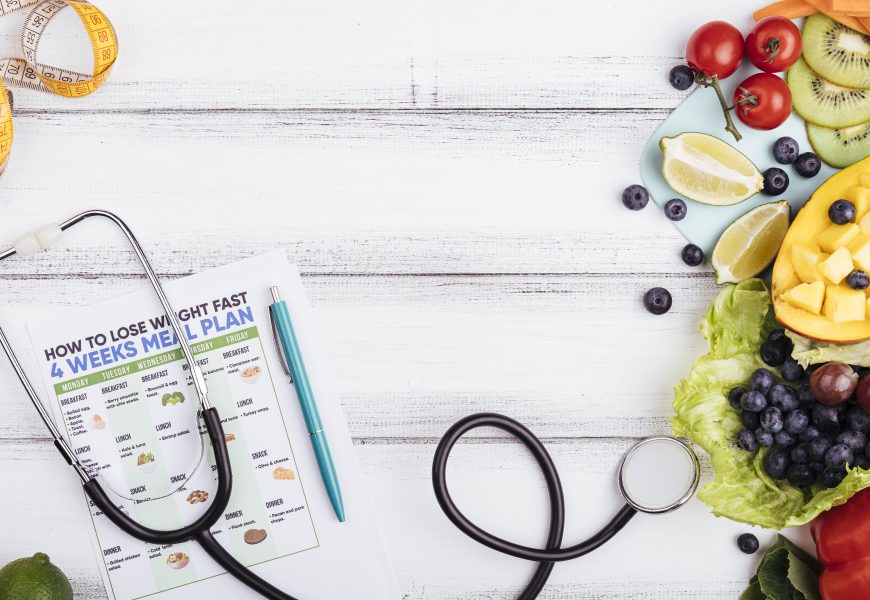
Have you ever wondered why some people can drink milk without any trouble, while others get a stomachache? Or why coffee keeps some people awake but doesn’t affect others as much? Our bodies react to food differently, and genes may be one reason.
Nutrigenomics looks at the connection between our genes and the food we eat. In this blog, we’ll explain how DNA-based diet planning works, what a DNA test can tell us, its limits, and the skills and career options linked to this growing field.
Table of Content
What Is Nutrigenomics and How Does It Relate to Nutrition?
How Does DNA Influence the Way the Body Processes Nutrients?
How Does DNA-Based Diet Planning Work?
What Information Can a Nutrigenomics Test Reveal About Nutrition?
What Are the Potential Benefits of DNA-Based Diet Planning?
DNA Diets vs Traditional Diet Plans: What Is the Difference?
What Are the Limitations of Personalized Nutrition Based on Genetics?
How Are Nutrigenomics and Precision Nutrition Used in Practice?
What Skills Do You Need to Understand Nutrigenomics?
What Do You Learn in a Nutrigenomics Course?
Can You Study a Nutrigenomics Course Online?
What Career Opportunities Are Emerging in Personalized Nutrition?
How Can Nutrition Professionals Apply Nutrigenomics Responsibly?
Final Takeaway: Is DNA-Based Diet Planning the Future of Personalized Nutrition?
FAQs
What Is Nutrigenomics and How Does It Relate to Nutrition?
Our bodies need food for energy, growth, and good health. But the way our bodies handle certain foods can differ from person to person.
Nutrigenomics studies how genes and food work together. Think of genes as instructions inside your body. Small differences in these instructions may affect how you respond to certain foods.
For example, some people have trouble digesting lactose, the natural sugar found in milk. Others may feel the effects of coffee for longer.
This research helps us understand why people can respond differently to food. However, you don’t need a DNA test to start eating well. A balanced diet is still a good starting point.
How Does DNA Influence the Way the Body Processes Nutrients?
Our bodies need carbohydrates for energy, protein for growth and repair, and vitamins and minerals to stay healthy.
Genes may affect how the body uses some nutrients. For example, some people break down caffeine faster than others. This may explain why coffee affects people differently.
But genes aren’t everything. Your age, health, sleep, exercise, and eating habits matter too. DNA gives us some clues, but it cannot tell us exactly what every person should eat.
How Does DNA-Based Diet Planning Work?
The process usually begins with a DNA test. You may need to provide saliva or use a small swab inside your cheek. A lab then checks selected parts of your DNA.
The results may show genetic differences linked to how your body handles certain nutrients. A nutrition professional can review these findings along with your health, food habits, and daily routine.
For example, the results may suggest looking more closely at a particular nutrient in your diet. A professional can then check whether your usual meals provide enough of it.
A DNA-based diet uses this information to help guide food choices. However, a DNA report isn’t a ready-made meal plan. It cannot promise weight loss or perfect health.
What Information Can a Nutrigenomics Test Reveal About Nutrition?
A DNA test checks selected genetic details. What it tells you depends on the test.
It may provide information about:
- Caffeine: How your genes may affect the way your body processes caffeine.
- Milk: Genetic differences linked to lactose digestion.
- Vitamins: How certain genes may affect the use of some vitamins.
- Fats and carbohydrates: How genes may relate to the way your body handles these nutrients.
- Taste: Why some people are more sensitive to bitter flavours.
These results have limits. A DNA test cannot confirm a vitamin deficiency just by looking at your genes. A healthcare professional may need to check your diet, symptoms, or blood test results.
What Are the Potential Benefits of DNA-Based Diet Planning?
People are interested in DNA-based diets because they want food advice that suits their own needs.
Possible benefits include:
- Personalized advice: Genetic information may help professionals understand certain differences between people.
- Better awareness: Test results may encourage you to learn more about your food habits.
- Useful guidance: The results may give you questions to discuss with a nutrition professional.
However, taking a DNA test doesn’t automatically make you healthier. Research is still growing, and balanced meals, regular activity, and good sleep remain important.
DNA Diets vs Traditional Diet Plans: What Is the Difference?
Both approaches help people make food choices, but they use different information.
|
Point |
DNA-based diet planning | Traditional diet planning |
| Main focus | Selected genetic details |
Health, food habits, and goals |
|
Information needed |
Usually a DNA test | Details about health and daily meals |
| How advice is planned | Genetic results may guide choices |
Advice suits personal needs and routine |
|
Cost |
May include testing costs | May not require a DNA test |
| Main limit | Genes don’t explain everything |
Advice depends on the information available |
Neither approach is always better. Many people can improve their eating habits without taking a DNA test. A nutrition professional can often help by looking at your meals, health, and lifestyle.
What Are the Limitations of Personalized Nutrition Based on Genetics?
DNA testing may sound like an easy way to find the perfect diet, but it has some limits.
- Genes aren’t everything: Sleep, stress, exercise, and health also affect your body.
- Research is growing: Scientists are still learning how different genes affect nutrition.
- Results can be confusing: Some reports use difficult scientific terms.
- Tests can differ: Companies may check different genes and offer different advice.
- Privacy matters: You should know how your genetic information is stored and used.
Don’t stop eating certain foods just because a report suggests a possible link. Understand the results first and speak to a qualified professional before making major changes.
How Are Nutrigenomics and Precision Nutrition Used in Practice?
Precision nutrition means giving food advice based on a person’s needs rather than giving everyone the same plan.
Imagine two people who want to eat better. One often skips breakfast because they’re busy. The other has a health condition that affects their food choices. They may need different advice.
A nutrition professional looks at their meals, health, routine, and goals. If useful genetic information is available, it may also be considered.
The aim is to find food choices that suit each person and fit into everyday life.
What Skills Do You Need to Understand Nutrigenomics?
You don’t need to be a scientist to start learning about this subject. A few basic skills can help.
- Nutrition basics: Knowing what protein, carbohydrates, fats, and vitamins do.
- Basic genetics: Understanding what DNA and genes are.
- Reading reports: Learning what test results mean and what they don’t mean.
- Critical thinking: Checking whether claims are supported by research.
- Clear communication: Explaining information in simple words.
- Responsible practice: Knowing when to seek professional help.
These skills help you understand genetic information without jumping to conclusions.
What Do You Learn in a Nutrigenomics Course?
A nutrigenomics course may cover genes, nutrients, and how they work together. You may learn why people respond differently to certain foods, how to understand genetic test reports, and what these tests cannot tell you.
Course topics depend on the provider. Before joining, check the syllabus, teaching method, fees, and certificate details. If you’re new to the subject, choose a course that explains the basics clearly.
Can You Study a Nutrigenomics Course Online?
Yes, a nutrigenomics course online can be a convenient option if you prefer studying from home.
Before enrolling, check whether the course explains genetics in simple words, uses examples, and covers the limits of DNA testing. Also, look at the course length, fees, teachers, and certificate details.
Choose a course that helps you understand the subject step by step instead of one that makes big promises.
What Career Opportunities Are Emerging in Personalized Nutrition?
Knowledge of nutrigenomics may be useful in nutrition, healthcare, and research.
Possible areas include:
- Nutrition counselling: Qualified professionals may use suitable genetic information when giving food advice.
- Research: Studying how genes and food may affect health.
- Health education: Helping people understand nutrition and DNA test results.
- Wellness services: Including personalised nutrition in wider wellness support.
- Food research: Studying how people respond to different nutrients.
A short course alone does not qualify you to work as a dietitian or provide medical advice. Career options depend on your education, skills, and experience.
How Can Nutrition Professionals Apply Nutrigenomics Responsibly?
A DNA report should never be the only reason for changing someone’s diet. Nutrition professionals need to understand the results and explain them clearly.
They should also consider the person’s health, usual meals, daily routine, and food preferences. They must avoid promising that a DNA test will guarantee weight loss or prevent illness.
Genetic information should be kept private. People with health conditions should seek advice from qualified healthcare professionals rather than relying only on a DNA report.
Final Takeaway: Is DNA-Based Diet Planning the Future of Personalized Nutrition?
DNA-based diet planning may become more useful as research improves. It can help explain some differences in how people respond to food, but it cannot tell us everything about health.
For now, DNA diets are not a shortcut to the perfect diet. Genes matter, but so do food habits, sleep, exercise, and daily routine. Eating balanced meals and following suitable health advice remain good places to start.
Frequently Asked Questions
1. Can two people with the same DNA need different diets?
Yes. Even people with almost identical DNA may have different needs because of their health, activity levels, food preferences, and daily routines. A diet should consider the whole person, not just their genes.
2. Are DNA-based diet recommendations scientifically proven to improve health outcomes?
Scientists have found links between some genes and how the body handles nutrients. However, there is still limited evidence that DNA-based diets always lead to better health than regular nutrition advice. Research is continuing, so be careful about promises of guaranteed results.
3. How is a DNA nutrition test different from a food intolerance test?
A DNA nutrition test checks selected genes linked to how the body may handle nutrients. A food intolerance test looks into possible reactions to particular foods, depending on the test used. They serve different purposes. Speak to a healthcare professional if certain foods regularly make you feel unwell.
4. Do nutrigenomics tests require a blood sample or saliva sample?
Many DNA tests use saliva or a cheek swab, so a blood sample is often not needed. The method depends on the provider. Before taking a test, check what it examines and how your genetic information will be stored and protected.




















Comments (0)