


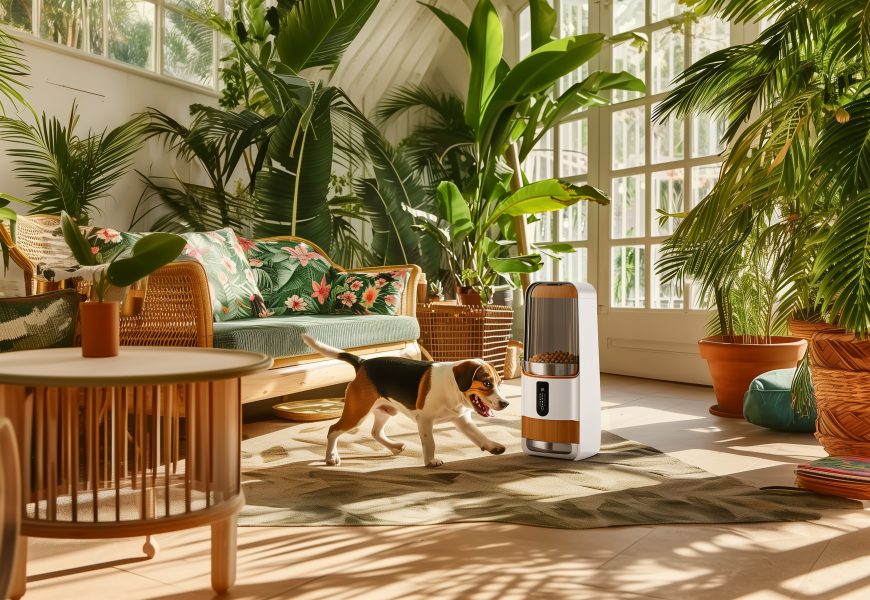
An interior design course teaches you how to plan a room, choose colors, and arrange furniture. But have you ever walked into a room and felt relaxed simply because it had sunlight, wooden furniture, or plants near the window? That feeling is part of what biophilic design aims to create. It brings small parts of nature into our homes, offices, and other indoor spaces. The idea is not to turn every room into a garden. It is to make spaces feel more natural, comfortable, and pleasant to spend time in.
This blog covers, the basic ideas behind biophilic design, the materials and colors used, and how you can bring nature into modern homes and workplaces. It also covers the skills you need, what a certification program may teach, and how design education can help you work towards a career in this field.
Table of Content
What Are the Core Principles of Biophilic Interior Design?
How Does Biophilic Design Connect People with Nature Indoors?
What Are the Main Elements of Biophilic Interior Design?
How Can You Apply Biophilic Design to Modern Homes?
What Is Biophilic House Design and How Does It Work?
How Can Biophilic Design Transform Offices and Commercial Spaces?
What Natural Materials, Colours and Textures Are Used in Biophilic Interiors?
What Are the Benefits and Limitations of Biophilic Interior Design?
What Skills Do You Need to Design Nature-Inspired Interiors?
What Do You Learn in a Biophilic Interior Design Certification Program?
How Can an Interior Design Course Help You Learn Biophilic Design?
Can Interior Design Classes Online Help You Build Practical Design Skills?
What Career Opportunities Are Available in Biophilic Interior Design?
How to Build a Portfolio of Biophilic Interior Design Projects?
Final Takeaway: Bringing Nature Into Modern Interior Design
FAQs
What Are the Core Principles of Biophilic Interior Design?
The main idea behind biophilic interior design is to make indoor spaces feel more connected to nature. This could be as simple as letting sunlight into a room, using wooden furniture, or keeping a few plants near a window.
It also includes natural shapes, outdoor views, fresh air, and materials that remind us of the outdoors. For example, a room with soft green walls, a wooden table, and cotton curtains may feel more natural than one filled with plastic finishes and harsh lighting.
There is no single way to follow these principles. The choices depend on the room, the people using it, and the budget. What matters is making the space comfortable and useful, not just adding things that look natural.
How Does Biophilic Design Connect People with Nature Indoors?
Most of us spend a large part of the day indoors, whether at home, in an office, or at college. Having some connection with nature can make these spaces feel less closed off from the outside world.
Think of a desk placed near a sunny window or a living room that opens onto a balcony with plants. Even small details, such as a wooden floor or a view of trees, can change how a room feels. Natural light can also make a space brighter during the day.
Of course, every room is different. Biophilic design is not about promising that plants or sunlight will fix every problem. It is about making thoughtful choices that help people feel comfortable in the spaces they use every day.
What Are the Main Elements of Biophilic Interior Design?
You do not need to use every element in one room. Start with what suits the space and build from there.
- Natural light: Keep windows clear where possible and use curtains that let daylight in.
- Indoor plants: Choose plants based on the amount of sunlight and care they need.
- Natural materials: Wood, bamboo, stone, cork, and linen can add warmth to a room.
- Nature-inspired patterns: Leaf prints, curved shapes, and patterns inspired by water or trees can work well on walls and fabrics.
- Outdoor views: Arrange furniture so people can enjoy a garden, balcony, or tree-lined view.
- Fresh air: Good ventilation and windows that open can make a room more pleasant when conditions allow.
The trick is to keep things balanced. A few well-placed features can work better than filling every corner with plants and decorations.
How Can You Apply Biophilic Design to Modern Homes?
You can bring nature into your home without buying new furniture or making big changes. Look at the room first. Does it feel dark, empty, or crowded? Once you know what is missing, you can make a few simple changes.
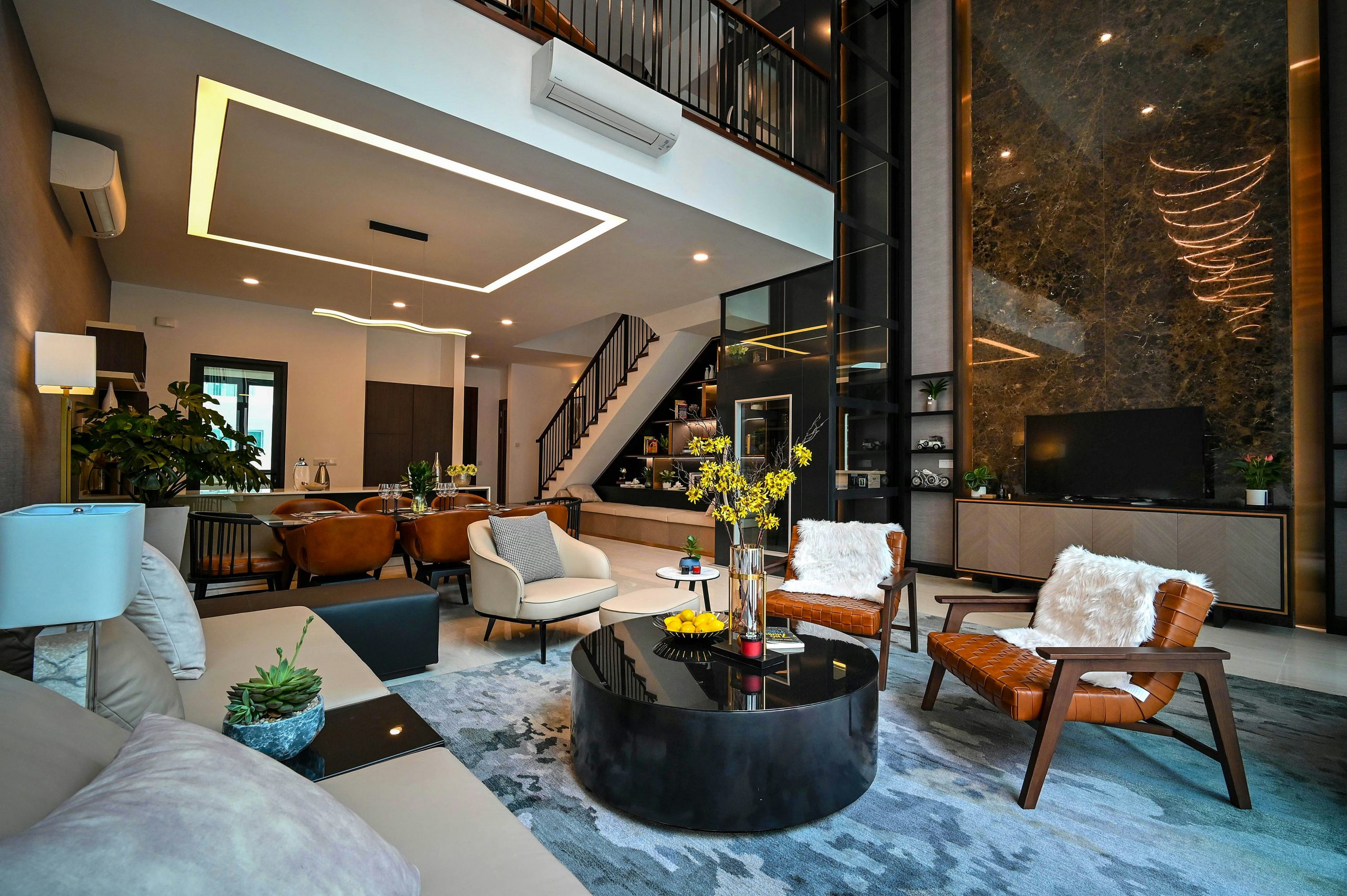
- Living room: Add a wooden coffee table, green cushions, or a couple of plants.
- Bedroom: Try cotton bedding, earthy colours, and warm bedside lights.
- Kitchen: Keep small herb pots near a suitable window or use wooden shelves.
- Bathroom: Choose plants that can handle humidity, provided the room has the right light and ventilation.
- Balcony: Use pots, a small chair, and plants that suit your local weather.
When planning biophilic design interior design projects, remember that a room still needs to be practical. People should be able to move around easily, clean the space without too much effort, and use the furniture comfortably.
What Is Biophilic House Design and How Does It Work?
Biophilic house design means planning a home in a way that brings people closer to nature. This might include large windows, a small courtyard, wooden finishes, indoor plants, or a living room that opens onto a garden.
You do not need a big house to try these interior design ideas. In a small flat, you could place a chair near a window and add a few plants. In a larger home, you might connect the living area to an outdoor seating space.
The design should suit the home and the people living in it. Windows, plants, and natural materials also need to be planned with privacy, heat, moisture, and cleaning in mind.
How Can Biophilic Design Transform Offices and Commercial Spaces?
A workplace does not have to feel dull, and a café does not need expensive decorations to feel welcoming. Small design choices can make a difference.
An office might have plants near shared desks, wooden finishes, and spaces where people can sit near windows. A café could use natural colours, woven lights, and greenery to create a relaxed setting. Hotels may use indoor trees, stone finishes, or views of a courtyard to make their common areas more inviting.
These features should suit the people using the space. Plants should not block walkways, sunlight should not cause glare on computer screens, and materials should be easy to maintain.
What Natural Materials, Colours and Textures Are Used in Biophilic Interiors?
The materials you choose can change the feel of a room. Natural finishes often add warmth, while colours inspired by the outdoors can make the space feel calm and balanced.
- Materials: Wood, bamboo, stone, cork, clay, cotton, and linen are common choices.
- Colors: Green, brown, beige, cream, and soft blue work well with nature-inspired themes.
- Textures: Woven baskets, linen curtains, textured walls, and visible wood grain add depth.
- Patterns: Leaves, branches, waves, and other natural shapes can be used on cushions, rugs, or artwork.
You do not have to spend a lot to use these ideas. Even changing a few cushions or adding a wooden shelf can help. In biophilic interior design, the aim is to create a room that feels right for the people using it.
What Are the Benefits and Limitations of Biophilic Interior Design?
Bringing nature indoors can make a room feel warmer and more inviting. Still, it is worth thinking about the practical side before starting a project.
Benefits
- Makes a room feel more welcoming and interesting.
- Helps make better use of natural light where available.
- Adds colour and texture without needing lots of decoration.
- Encourages thoughtful choices about materials and outdoor views.
Limitations
- Plants need regular care and may not suit every room.
- Some natural materials can be expensive or need extra maintenance.
- Rooms with little sunlight or poor ventilation may have fewer options.
- Too many plants or decorations can make a small room feel crowded.
A good design works with the space you have. You do not need to copy a picture from the internet exactly to get a result you like.
What Skills Do You Need to Design Nature-Inspired Interiors?
You do not need to know everything before you start, but a few basic skills will help you plan better spaces.
- Space planning: Learn how to arrange furniture without making a room difficult to use.
- Color selection: Understand which colors work well together.
- Lighting: Learn how to use daylight and indoor lights without making a room too bright or too dark.
- Material selection: Choose finishes that look good and suit the budget.
- Plant knowledge: Understand how much light and care different plants need.
- Communication: Listen to what clients want and explain your ideas clearly.
- Design tools: Practice making floor plans, mood boards, sketches, and digital designs.
An interior design course can help you learn these skills in a more organized way and give you opportunities to practice them.
What Do You Learn in a Biophilic Interior Design Certification Program?
The topics depend on the course provider. A program focused on nature-inspired spaces may teach you about plants, natural materials, lighting, colours, space planning, and ways to connect indoor areas with the outdoors.
You may also work on mood boards, room layouts, and sample design projects. These activities help you see how your ideas might look in a real room. Before joining a certification program, check what it covers and whether it includes practical work.
A certificate can show that you have completed the course, but it is not the only thing employers or clients look at. Your design skills, project work, and ability to understand what a space needs also matter.
How Can an Interior Design Course Help You Learn Biophilic Design?
A general interior design course can give you the basics you need before you focus on a particular style. An interior design course covers areas such as space planning, colour management, materials, lighting, design projects, and software.
These skills can help you plan a room from the beginning rather than choosing plants and furniture without a clear idea. You can then use what you learn to create spaces with natural colors, suitable lighting, and materials inspired by the outdoors.
Can Interior Design Classes Online Help You Build Practical Design Skills?
Yes, interior design classes online can be a useful option if you want to learn while managing work or other commitments. Look for classes that include projects, design exercises, software practice, and feedback.
You could start by planning a nature-inspired bedroom or redesigning a small balcony. Make a mood board, choose the materials, draw a layout, and explain why each choice works. Projects like these help you practice instead of only reading about design.
What Career Opportunities Are Available in Biophilic Interior Design?
Once you have learnt the basics and built some practical experience, you can explore different roles in interior design. The work you do will depend on your skills, experience, and the needs of each client.
- Interior designer: Plans the layout, colors, furniture, and finishes of a space.
- Residential design consultant: Helps homeowners improve their rooms and living spaces.
- Commercial interior designer: Works on offices, cafés, hotels, and shops.
- Sustainable design assistant: Helps with material choices and other design decisions that consider environmental impact.
- Freelance designer: Works directly with clients on suitable projects.
You can show your interest in biophilic design interior design through your portfolio. However, learning the basics, understanding clients, and gaining experience are just as important as choosing a specialization. Explore everything about of Interior design to build a successful career in the interior design industry.
How to Build a Portfolio of Biophilic Interior Design Projects?
You can start building a portfolio even if you have not worked with a real client yet. Choose two or three spaces and create your own design ideas for them. For example, you could plan a small flat, a home office, or a café with natural finishes.
For each project, show the mood board, color choices, layout, materials, and final design images. Add a short explanation of why you made those choices. If you use design software, include clear drawings or 3D views where possible.
Be honest about your work. If a project is only a practice concept, label it that way. A neat portfolio that explains your thinking can help people understand your skills.
Final Takeaway: Bringing Nature into Modern Interior Design
You do not need a big garden, a large budget, or dozens of plants to make a room feel closer to nature. Simple choices such as daylight, wooden finishes, natural fabrics, and a few suitable plants can be enough to get started.
Learning about biophilic interior design can help you understand how to bring these ideas into homes and workplaces. With practice, useful feedback, and a portfolio of your work, you can begin exploring this area of interior design.
Frequently Asked Questions
1. Is biophilic interior design suitable for small apartments?
Yes, it works well in small apartments. Use a few plants, light colors, wooden furniture, and natural fabrics. Keep the layout simple so the room feels open, comfortable, and easy to move around in.
2. Can biophilic design work without indoor plants?
Yes, plants are not essential. You can bring nature indoors through wooden furniture, stone finishes, natural fabrics, earthy colors, nature-inspired artwork, and outdoor views. These elements can help create a warm and natural-looking space.
3. What is the difference between biophilic design and green interior design?
Biophilic design focuses on connecting people with nature indoors. Green interior design focuses on reducing environmental impact through sustainable materials, energy savings, and less waste. Both approaches can be combined in one space.
4. Does biophilic design require access to natural sunlight?
No, natural sunlight is helpful but not essential. You can use nature-inspired colors, natural textures, wooden finishes, and artwork. Good artificial lighting can also make a room feel brighter and more comfortable.
5. Which indoor plants are commonly used in nature-inspired interiors?
Pothos, snake plants, spider plants, and peace lilies are popular choices. Before selecting plants, check the available light, watering needs, and room conditions. Also make sure the plants are safe for children and pets.
6. Can artificial lighting recreate the benefits of natural light?
Artificial lighting can brighten a room and make daily activities easier, but it cannot fully replace natural daylight. Choose suitable lights for each area and make the most of any available sunlight.
7. How do you maintain indoor plants in a biophilic home?
Choose plants that suit your room’s light and temperature. Water them according to their needs, check the soil regularly, and remove damaged leaves. Avoid overwatering, as too much water can harm many indoor plants.
8. Can beginners specialize in biophilic interior design?
Yes, beginners can explore this field by learning design basics, studying nature-inspired spaces, and practicing with small projects. An interior design course can help build useful skills before moving on to more specialized work.



















Comments (0)