


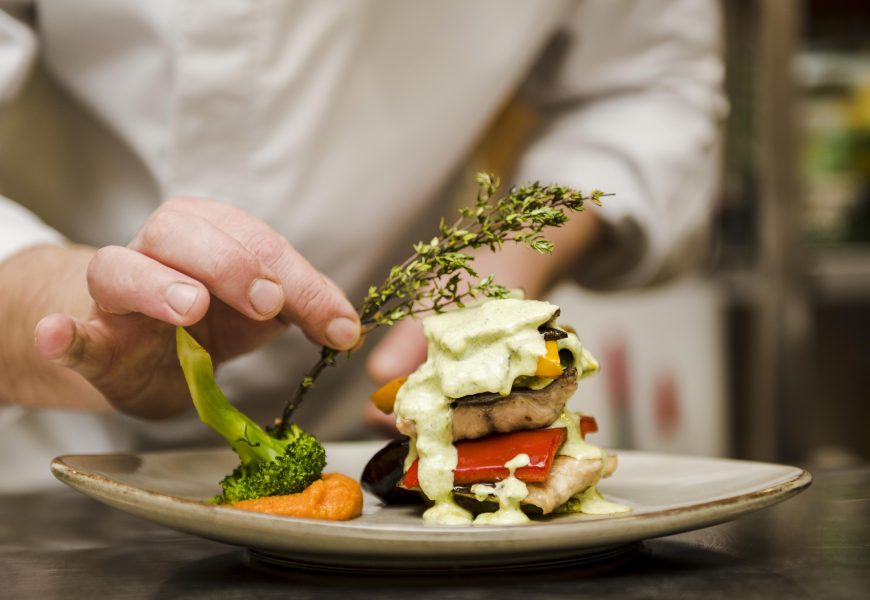
Culinary skills are very important and necessary for everyone who wants to become a professional chef. A well-seasoned chef excels in handling ingredients with very good precision, understanding tastes, and swiftly executing cooking processes. From learning fundamental knife handling to honing the art of seasoning as the chefs from movies do, building excellent culinary abilities is an ongoing process that involves practice, patience, and imagination throughout the learning journey. It does not matter where you work; It can be a kitchen, or professional retro bar, or anywhere. Strong foundation skills may always help you to improve dish quality and efficiency.
In this article, we will look after the skills that are fundamentally required for the booming chefs, from all the different styles of cooking techniques to kitchen organization tip to toe and even the science behind what makes a good chef. Refine your craft is your goal or build a solid foundation; those insights will help you with confidence and skill.
Contents
Essential Culinary Skills Every Aspiring Chef Should Master
Knife Skills: The Foundation of Every Chef
Essential Knife Techniques
Understanding Cooking Techniques
Mastering Flavour Balancing
Elevating Your Sauce-Making Skill
Cooking with Precision: Measuring and Timing
Ingredient Knowledge and Selection
Baking and Pastry Basics
Food Safety and Hygiene Practices
Time Management and Kitchen Organization
Plating and Presentation Techniques
Conclusion
FAQs
Knife Skills: The Foundation of Every Chef
Knife skills are a crucial part of every chef’s journey, ensuring precision, efficiency, and safety in the kitchen. Mastering the right cutting techniques not only improves cooking speed but also enhances the presentation and texture of dishes.
Essential Knife Techniques
1. Chopping: an easy-seeming task that is not easy. Cutting down the vegetables into a proportion is termed chopping.
2. Dicing: Cutting ingredients into evenly sized cubes for consistent cooking is crucial for professional plating.
3. Julienne: Cutting veggies into thin bodies like fries.
4. Mincing: finely chopping ingredients like garlic and other stuff for the dish.
Choosing the Right Knife
1. Chef’s Knife: Versatile for slicing, chopping, and dicing and everything.
2. Paring knife: Used for delicate cutting and intricate cutting.
3. Serrated knife: Used for slicing bread.
Knife Safety & Maintenance
1. Use a sharp knife to reduce accidents and improve control.
2. Maintain a proper grip for precision and safety.
3. Store knives safely in a kitchen drawer organizer or knife block.
Mastering these culinary skills enhances efficiency, improves cooking techniques, and elevates dish presentation.
Understanding Cooking Techniques
Understanding various cooking techniques is essential for every chef, as it directly impacts flavor, texture, and presentation. From quick, high-heat methods to slow, controlled processes, mastering these skills ensures consistency and enhances culinary creativity.
1. Sautéing: Is a fundamental cooking technique that uses minimal oil over medium-high heat to quickly cook meats and vegetables while preserving texture and flavor.
2. Roasting: A go-to method for achieving deep flavors and caramelization, often used for meats and vegetables in professional culinary skills training.
3. Grilling: Uses direct heat to create a smoky, charred finish, a popular method among those learning what makes a good chef in professional kitchens.
4. Baking is A crucial skill in both savoury and pastry arts, requiring precise temperature control for bread, pastries, and casseroles.
5. Boiling: Quickly cooks ingredients like pasta, rice, and vegetables but requires careful attention to prevent nutrient loss.
6. Steaming: A healthy alternative that preserves nutrients and enhances natural flavors, often used in modern kitchen organization for efficient cooking.
7. Poaching: A gentle method that keeps food tender, commonly used for eggs, fish, and poultry in fine dining preparations.
Mastering these culinary skills allows chefs to create diverse dishes with precision, making them more versatile and efficient in the kitchen.
Mastering Flavour Balancing
Achieving the perfect balance of flavors is a hallmark of what makes a good chef. Every dish is built around five basic tastes—sweet, sour, salty, bitter, and umami—and understanding how to adjust them can elevate any meal.
1. Sweet: Adds richness and counteracts bitterness; commonly achieved with sugar, honey, or caramelized ingredients.
2. Sour: Brings brightness and cuts through fat; often comes from citrus, vinegar, or fermented foods.
3. Salty: Enhances other flavors and adds depth; balancing salt properly is a key culinary skill every chef must master.
4. Bitter: Provides complexity and contrast; ingredients like coffee, dark chocolate, or certain greens add this element.
5. Umami: The savory, deep flavor found in ingredients like mushrooms, soy sauce, and aged cheeses, essential in cooking techniques for rich broths and sauces.
Seasoning Techniques and the Role of Spices
- Use layered seasoning by adding salt and spices at different cooking stages for depth.
- Balance flavors by contrasting opposites—sweet can mellow spice, while acid brightens rich dishes.
- Experiment with spice blends to enhance cooking outcomes, ensuring each ingredient complements the overall
flavor profile.
Mastering flavor balancing and proper seasoning techniques allows chefs to create dishes that are not just delicious but also well-rounded and memorable.
Elevating Your Sauce-Making Skill
Sauces are essential in culinary skills, adding depth, richness, and texture to dishes. The five mother sauces—Béchamel, Velouté, Espagnole, Hollandaise, and Tomato—serve as the base for countless variations.
Thickening Methods:
o Roux: A mix of butter and flour, used in Béchamel and Velouté.
o Reduction: Simmering to concentrate flavors, common in Espagnole and Tomato sauce.
o Emulsification: Combining fat and liquid, crucial for Hollandaise and vinaigrettes.
Pairing sauces correctly enhances flavors—creamy Béchamel for pasta, tangy Tomato for pizzas, and rich Hollandaise for eggs or seafood. Mastering sauce-making is a key step in becoming a great chef.
Cooking with Precision: Measuring and Timing
Precision is key in culinary skills, ensuring consistency and balance in every dish. Accurate measurements and conversions prevent recipe failures, especially in baking, where even slight variations can affect texture and taste.
1. Temperature Control: Essential for techniques like roasting, grilling, and baking to achieve perfect doneness.
2. Cooking Times: Understanding the right timing prevents overcooking or undercooking, crucial for meats and delicate dishes.
3. Tools for Accuracy: Thermometers and timers help maintain consistency, ensuring food is cooked to perfection.
Mastering these elements is what makes a good chef stand out in a professional kitchen.
Ingredient Knowledge and Selection
The foundation of great culinary skills lies in choosing fresh, high-quality ingredients. Understanding seasonal produce helps enhance flavors and ensures better nutrition. Proper ingredient storage—such as keeping herbs fresh in damp paper towels or using airtight containers for dry goods—maintains freshness and prevents spoilage. A skilled chef knows how to source the best ingredients, which is essential for delivering exceptional dishes.
Baking and Pastry Basics
For those looking to become a pastry chef, mastering basic cooking skills in baking is crucial. Understanding the role of leavening agents like yeast, baking soda, and baking powder ensures perfect textures in bread and cakes. Proper dough handling and proofing techniques are key to achieving light, airy pastries. Precision in measurements and baking times sets apart an amateur from a professional.
Food Safety and Hygiene Practices
A good chef prioritizes food safety and hygiene to prevent contamination and maintain food quality. Key practices include:
· Proper food handling: Washing hands and sanitizing surfaces regularly.
· Storage techniques: Keeping raw and cooked foods separate to avoid cross-contamination.
· Safe cooking temperatures: Ensuring meat, poultry, and seafood reach the recommended temperatures for safety.
Time Management and Kitchen Organization
Efficient kitchen organization is what makes a good chef stand out. The concept of mise en place—having all ingredients prepped and ready—helps streamline the cooking process. Using a kitchen drawer organizer keeps tools accessible, while multi-tasking and cleaning as you go maintain a smooth workflow. A well-organized kitchen improves efficiency and reduces stress during meal preparation.
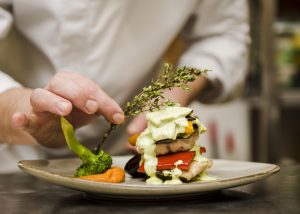
Plating and Presentation Techniques
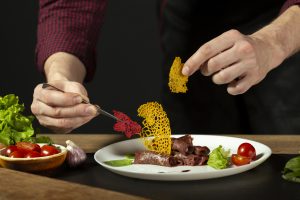
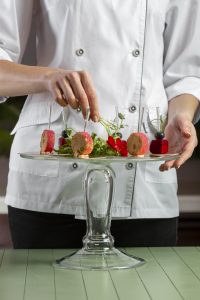
In the culinary world, presentation is just as important as taste. A professional chef carefully balances colors, textures, and garnishes to enhance a dish’s visual appeal. Some plating tips include:
- Using contrast in colors for an eye-catching dish.
- Arranging elements with height and structure for elegance.
- Choosing the right plate size and shape to complement the food.
By mastering these techniques, chefs can elevate their cooking skills and create dishes that impress both in flavor and aesthetics.
Conclusion
Becoming a skilled chef goes beyond just following recipes—it requires mastering essential culinary skills like proper knife techniques, precise cooking techniques, and effective kitchen organization. Throughout this blog, we’ve explored the fundamentals, from basic cooking skills such as sautéing and roasting to more advanced topics like flavor balancing, baking, and sauce making. We also covered the importance of selecting fresh ingredients, maintaining food safety and hygiene, and enhancing presentation through professional plating techniques.
Consistent practice is key to improving your expertise, whether it’s refining how to improve knife skills, understanding what makes a good chef, or learning to manage time efficiently. By honing these techniques and applying them daily, you can elevate your cooking abilities and work towards achieving professional chef qualifications. Master these skills, and you’ll be well on your way to cooking like a pro!
FAQs
1. What are the most essential knife skills every chef should know?
Knife work is one of the most important chef skills because it affects speed, safety, consistency, and cooking quality. Every chef should master the proper grip, the claw-hand technique for guiding food, and how to hone and sharpen blades. Core cuts include dice, julienne, brunoise, chiffonade, and mince. Uniform cuts cook evenly and look professional, which makes them a cornerstone of the basics of culinary arts.
2. What are the five basic tastes a chef must understand?
The five basic tastes are sweet, sour, salty, bitter, and umami. Understanding them is one of the most valuable culinary skills, because great cooking depends on balancing them. Acid can lift a heavy dish, salt sharpens flavor, sweetness softens bitterness, and umami adds depth. A chef who tastes constantly and adjusts seasoning at every stage produces more balanced, memorable food.
3. Why is food safety important in a professional kitchen?
Food safety protects guests, staff, and the reputation of the business. In a professional kitchen, poor hygiene, cross-contamination, or unsafe temperatures can cause foodborne illness, legal trouble, and lost customers. Basic culinary skills therefore include handwashing, correct storage, labeling, separating raw and cooked foods, and monitoring temperatures. Sanitation and safe handling are not optional extras. They are part of the foundation of every professional chef’s training.
4. What cooking techniques should every aspiring chef learn?
Aspiring chefs should learn dry-heat methods such as roasting, grilling, sautéing, and pan-searing. They should also learn moist-heat methods such as boiling, poaching, steaming, and braising, plus combination techniques. Beyond these, making stocks, soups, and mother sauces is central to the basics of culinary arts. Knowing when and why to use each method lets a chef control texture, flavor, and consistency, and it builds the culinary skills needed to cook confidently across different cuisines.
5. How important is plating and presentation in professional cooking?
Plating matters a great deal, because guests judge a dish with their eyes before they taste it. Good presentation shows care, professionalism, and creativity, and it can raise the perceived value of a meal. Effective plating uses balance, color contrast, height, clean edges, and sensible portions. Presentation should never replace flavor, but it is one of the chef skills that separates a home cook from a professional, especially in hotels and fine dining.




















Comments (0)