


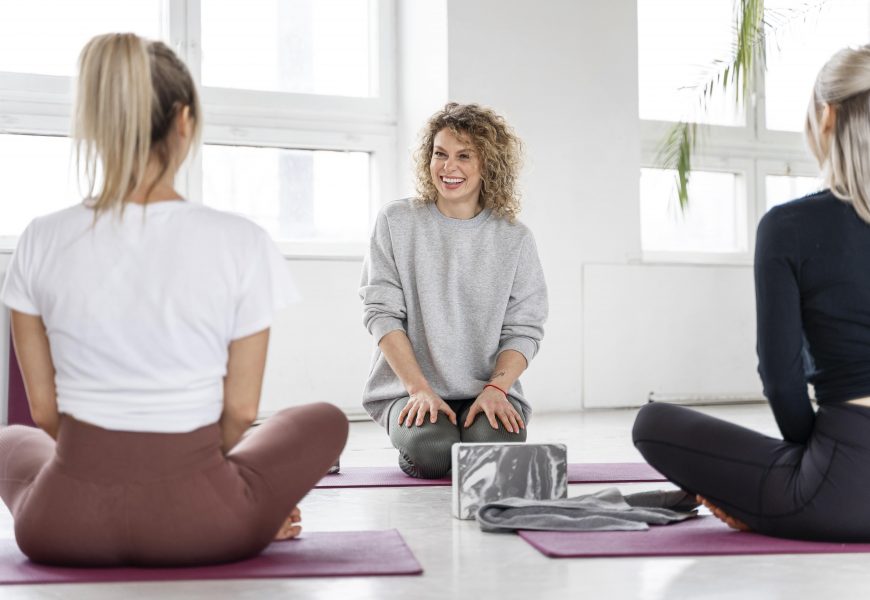
Mindfulness meditation at work stopped being some fringe wellness trend a while back; companies are actually putting real money behind it now. A study looking at nearly 5,000 employees across offices, schools, and government agencies found consistent drops in stress once mindfulness meditation programs actually got introduced. And honestly, with 76% of US workers reporting some kind of mental health symptom, and two-thirds saying they’ve felt burned out in the past year, none of this should come as much of a surprise.
So here’s what we’re getting into: why employee mental health deserves this kind of attention, how companies can actually roll out a program instead of just talking about it, some mindfulness techniques and mindfulness breathing exercises you can actually use during a normal workday, why mindfulness meditation for stress works as well as it does, how mindfulness meditation for stress stacks up against other wellness options, how people build real expertise through something like a diploma in ayurvedic wellness, and how you’d actually know if any of it’s working.
Table of Content
- Why Is Mindfulness Important for Employee Mental Health?
- How Can Companies Implement Mindfulness Programs at Work?
- What Mindfulness Techniques Can Employees Practice at Work?
- Mindfulness Breathing Exercises for Workplace Stress
- Mindfulness Meditation for Stress: How Does It Help Employees?
- Meditation Benefits for Mental Health and Workplace Wellbeing
- How Does Mindfulness Support Mental Wellness in the Workplace?
- Corporate Mental Health Programs: Mindfulness vs Other Wellness Initiatives
- How Can Employees Practice Mindfulness Consistently?
- How Can Organisations Measure the Impact of Workplace Mindfulness Programs?
- How Can a Mindfulness or Wellness Course Support Corporate Programs?
- Final Takeaway
- FAQs
- 1. What is the difference between mindfulness and meditation?
- 2. Can beginners practise mindfulness at work?
- 3. How often should employees practise mindfulness?
- 4. Is mindfulness suitable for remote and hybrid employees?
- 5. Can mindfulness replace professional mental health support?
- 6. What should companies consider before launching a mindfulness program?
Why Is Mindfulness Important for Employee Mental Health?
Honestly, the numbers alone make the case here. McKinsey figures improving employee wellbeing globally could unlock $11.7 trillion a year in economic value, most of it from better productivity. That’s not some soft, feel-good number; that’s a real business argument for taking mindfulness mental health work seriously.
Beyond the money side of things, mindfulness mental health benefits show up in more everyday ways too. People who feel genuinely supported are roughly twice as likely to say they’re not dealing with burnout or depression, and companies with strong wellbeing efforts tend to see noticeably less turnover. Mindfulness won’t fix a badly run team or a crazy workload on its own, let’s be real about that, but paired with actual organizational support, it’s a real tool worth taking seriously for employee mental health.
How Can Companies Implement Mindfulness Programs at Work?
Rolling this out well takes more than sending around a meditation app link and calling it a day, unfortunately. Getting leadership on board first genuinely matters, since when managers actually show support, it stops feeling like some HR checkbox exercise nobody asked for. Keeping formats flexible helps too: short daily sessions, weekly workshops, or just letting people use an app on their own time, whatever actually fits.
Training a few internal champions, people who genuinely practice mindfulness themselves, tends to bring peers along way more naturally than any top-down memo ever could. It also helps to keep participation optional, since forcing it usually backfires and just breeds resentment instead of real buy-in. And none of it really works without genuine structural support behind it; fair workloads and clear priorities matter just as much as any wellness coach certification program does on paper. Programs built this way tend to stick around a lot longer than the ones that get treated as a one-time HR initiative and quietly forgotten.
What Mindfulness Techniques Can Employees Practice at Work?
Not every one of these mindfulness techniques needs a quiet room or twenty spare minutes, thankfully. Here’s a quick cheat sheet for what actually fits into a normal, busy workday.
|
Technique |
Time Needed |
Best For |
|
Body scan |
5-10 minutes | Releasing physical tension during a break |
|
Mindful breathing |
2-5 minutes | Quick reset before a stressful meeting |
|
Single-tasking |
Ongoing |
Cutting mental fatigue from constant multitasking |
| Mindful walking | 5-15 minutes |
Clearing your head during lunch or a short walk |
| Gratitude journaling | 5 minutes |
Shifting focus away from workday stress |
Sticking with just one or two of these mindfulness techniques consistently usually beats trying to squeeze all five in occasionally and burning out on the effort.
Mindfulness Breathing Exercises for Workplace Stress
Mindfulness breathing exercises are genuinely one of the easiest ways in, since they need zero equipment and barely any time at all. Box breathing’s a good place to start: inhale for four counts, hold for four, exhale for four, hold for four, and just repeat a few times until things settle. The 4-7-8 method works especially well right before a tense conversation: inhale for four, hold for seven, exhale slowly over eight.
Diaphragmatic breathing, those slow, deep belly breaths, triggers the body’s calming response almost right away. And if you’re really pressed for time, just counting ten slow breaths during a stressful moment can interrupt the spiral before it really builds momentum. These mindfulness breathing exercises work well mostly because they’re discreet enough to do right at your desk without anyone even noticing what you’re up to.
Mindfulness Meditation for Stress: How Does It Help Employees?
Mindfulness meditation for stress works by kicking in the body’s parasympathetic nervous system, which brings down heart rate, blood pressure, and cortisol over time. People who kept up regular mindfulness meditation in workplace studies showed real, measurable drops in perceived stress, and the effects actually stuck around even months after the training itself wrapped up.
Beyond just the physical side of it, people who practice mindfulness meditation regularly tend to handle their emotions better too; they’re less likely to blow up over a stressful email or a tense meeting. That kind of steadiness genuinely changes how a workday feels, not just how it reads on some report afterward.
Meditation Benefits for Mental Health and Workplace Wellbeing
The research behind meditation benefits for mental health is genuinely solid at this point, not just anecdotal chatter people repeat because it sounds nice. Consistent practice shows real, measurable improvement in anxiety and depression symptoms. A calmer mind also handles complicated tasks with a lot less mental drag, which shows up in sharper focus and better decisions.
Regular practitioners report less emotional exhaustion too, even in genuinely demanding roles, and handling stress better during the day often translates into sleeping better at night as well. Meditation benefits for mental health really do compound over time, which is exactly why staying consistent matters more than any one long, occasional session ever could.
How Does Mindfulness Support Mental Wellness in the Workplace?
Supporting mental wellness in the workplace isn’t just about individual coping tricks; it actually shapes how whole teams work together. When more people practice mindfulness, communication tends to get noticeably better, since folks react less defensively under pressure and actually listen during hard conversations instead of just waiting to respond.
This ripple effect matters for company culture as a whole, not just individual stress levels here and there. A team where mental wellness in the workplace is genuinely treated as a priority tends to handle conflict and change with a lot more resilience than one running purely on deadline panic.
Corporate Mental Health Programs: Mindfulness vs Other Wellness Initiatives
Mindfulness is just one piece of a bigger mindfulness mental health puzzle, honestly, so it’s worth seeing how it actually stacks up against the other usual options out there.
| Initiative | Cost | Time Investment |
Best Suited For |
|
Mindfulness programs |
Low to moderate | Short, flexible sessions | Daily stress management, focus |
|
Gym memberships |
Moderate to high | Needs dedicated time |
Physical health, some stress relief |
| Counseling access | Moderate to high | As needed |
Deeper mental health support |
| Flexible work hours | Low | Structural, ongoing |
Work-life balance, autonomy |
Most solid corporate programs mix two or three of these together instead of expecting mindfulness alone to fix every single wellbeing problem a team has.
How Can Employees Practice Mindfulness Consistently?
Consistency beats intensity here, hands down, every time. Picking a fixed time each day to practice mindfulness, even five minutes right when you get into work, builds the habit way more reliably than random, longer sessions here and there.
Tying it to something you already do, like right before checking email, helps it stick without needing extra willpower every single day.
How Can Organisations Measure the Impact of Workplace Mindfulness Programs?
Tracking this really doesn’t need to be complicated. Simple before-and-after surveys on stress and job satisfaction give you a decent baseline to work from.
Sick day trends, engagement scores, and voluntary turnover over six to twelve months also paint a much clearer picture than just going off anecdotal feedback from a handful of people.
How Can a Mindfulness or Wellness Course Support Corporate Programs?
Formal training genuinely helps organizations build mindfulness mental health programs that actually last, instead of fizzling out after a few enthusiastic weeks like so many wellness initiatives do. A real curriculum covers technique, delivery, and program design, not just personal practice on its own.
Certified training also makes it a lot easier to get budget and buy-in from decision-makers who need more than good intentions to sign off on things. And knowing how to actually lead a session matters just as much as understanding the theory behind it in the first place.
Investing in training like this upfront genuinely saves a ton of trial and error once a program’s actually live and running.
Final Takeaway
Workplace mindfulness isn’t going anywhere anytime soon; the research, the economics, and just the plain human need for better stress management all point in the same direction. The meditation benefits for mental health keep compounding the longer a program actually runs, and companies that take this seriously, pairing real mindfulness practice with fair workloads and genuine structural support, tend to see the strongest, longest-lasting results for employee mental health overall.
If you want to build real expertise in mental wellness in the workplace and mindful practices, AAFT Online’s Diploma in Ayurvedic Wellness covers holistic wellbeing principles that pair naturally with this kind of corporate work, giving you a credible foundation whether you’re designing programs or actually leading sessions yourself. A diploma in ayurvedic wellness is honestly a solid starting point if you want to turn this interest into a real, proper career.
Frequently Asked Questions
1. What is the difference between mindfulness and meditation?
Mindfulness is more of a mental state, really, just paying attention to what’s happening right now. Meditation’s the actual structured practice you use to build that skill up. You can be mindful without formally meditating, but meditation trains it directly.
2. Can beginners practise mindfulness at work?
Yeah, easily, honestly. Even two or three minutes of focused breathing is enough to get started. No special gear or prior experience needed, and most techniques can be done quietly at your desk without anyone else noticing at all.
3. How often should employees practise mindfulness?
Daily, even if it’s brief, beats occasional long sessions every time. Five or ten minutes a day builds the habit way more reliably than an hour once a week, since staying regular matters a lot more than how long each session actually runs.
4. Is mindfulness suitable for remote and hybrid employees?
Yes, genuinely works great for them too, since most techniques don’t need any office space or special setup at all. Apps and virtual sessions make it just as easy for remote folks to join in as people working from an actual office.
5. Can mindfulness replace professional mental health support?
No, not really, and it honestly shouldn’t be treated that way. Mindfulness helps with general wellbeing and everyday stress, but anyone dealing with a genuine mental health condition still needs proper counseling or clinical care alongside it.
6. What should companies consider before launching a mindfulness program?
Leadership buy-in, keeping formats flexible, and pairing it with real structural support all matter a lot here. Having someone with a diploma in ayurvedic wellness or similar credentialed training on board also helps build something genuinely solid right from the start.























Comments (0)