


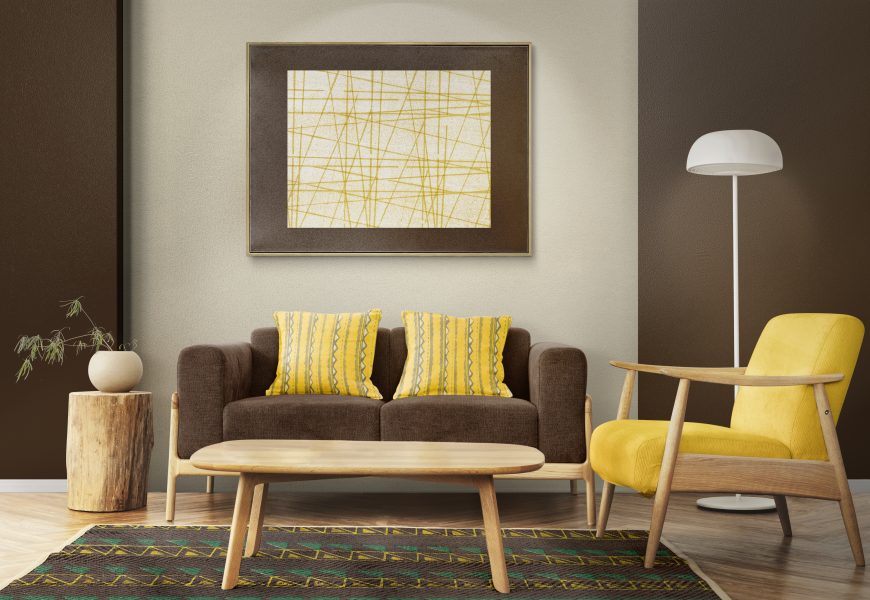
Interior decoration is not about picking furniture and colours that go together. Nowadays, people who decorate spaces make sure they are useful, look good, and are what the people who will use them need. This includes homeowners, businesses, hotels, and other commercial spaces.
More and more people want nice interiors, and people who are good at decorating are finding jobs in homes, stores, hotels, and offices.
Taking an interior decorator course is a great way to get the skills you need. It does not matter if you are a student, someone who’s creative or someone who wants to change jobs. The right course will teach you about design, how to work with clients, and how to make spaces that’re stylish and work well. In this blog, we will talk about the interior decorator skills you can learn to be an interior decorator, why you need them, and how they can help you have a good career as an interior decorator.
Table of Contents
- What is an Interior Decorator Course?
- Why Learning the Right Skills Matters in 2026
- Space Planning and Layout Design
- Colour Theory and Colour Psychology
- Furniture Selection and Space Styling
- Lighting Design Fundamentals
- Material, Texture and Finish Selection
- Interior Design Software You’ll Learn
- Sketching and Visual Presentation Skills
- Budgeting and Project Management Skills
- Client Communication and Presentation Skills
- Sustainable and Smart Interior Design Concepts
- Career Opportunities After Learning These Skills
- Why Choose AAFT Online for an Interior Decorator Course?
- Conclusion
- Frequently Asked Questions
What is an Interior Decorator Course?
An interior decorator course is about making interior spaces look better and work better. Interior decoration is different from design. Interior design can involve changing the structure and architecture of a space. Interior decoration is about improving what is already there. This is done through things like choosing colours, picking furniture, using lighting, adding décor, using textures, and adding accessories. Now, online interior decorating courses are a thing. They teach you both the theory and the practical side of decoration. You get to do projects, learn software, and practice styling.
This helps you feel confident enough to work on projects for clients. These courses help you gain experience and build your skills. Interior decorator courses focus on making you a skilled decorator. You learn about colour schemes, furniture selection and lighting. You also learn about décor, textures, and accessories. All these help you create functional spaces.
Why Learning the Right Skills Matters in 2026
The interior decoration business is changing fast. Now people want homes and offices that’re nice to look at, good for the environment, have the latest technology, and are tailored to the way they live.
Interior decorators need to know how to use computers and other digital tools, manage money, talk to clients, and keep up with what’s current. If you learn these interior decorator skills, you can stay ahead in this field and handle all sorts of projects.
Space Planning and Layout Design
Every good interior space starts with a plan. This means putting furniture and decorations in a way that makes the space useful and comfortable and nice to look at.
When you take a decoration course, you learn things, like:
- How to measure rooms
- How to make a floor plan that works
- How to make it easy to move around
- How to put furniture in the right places
- How to use all the space you have
These skills help interior decorators make small homes and big offices feel organised and welcoming.
Interior decorators can make any space feel great, whether it is an apartment or a big commercial space by using their interior decoration skills to plan the space and make it look nice.
Colour Theory and Colour Psychology
Colours have an impact on how we feel, how well we work, and what we buy. So, it is really important to understand how colours affect people when you are decorating a space.
Students learn about:
- Colour combinations
- Warm and cool colour palettes
- colours
- Colour harmony
- How different colours make us feel
For example, blue colours can be very calming, so people often use them in bedrooms. On the other hand, yellow and orange colours are very vibrant so they work well in cafes and offices where people work together.
Learning how colours work with light and the things in a room is a useful interior decorator skill to have.
Furniture Selection and Space Styling
Furniture is not something you put in a room to fill it up. The right furniture can make a room more comfortable, functional and nice to look at.
An interior decorator course teaches students how to:
- Choose furniture that fits the room
- Mix styles of furniture
- Make living and working spaces look nice
- Pick accessories and artwork
- Create rooms that look nice and work well
Students also learn how to use furniture, rugs, curtains, cushions, plants and decorative things to create spaces that show the persons personality.
These skills are useful for decorating homes, hotels, cafes, offices and stores.
Lighting Design Fundamentals
Lighting is something that people often do not think about when they decorate a space. It can really change how a room looks and feels.
Students learn about:
- Lighting that fills the room
- Lighting that helps you do specific tasks
- Lighting that draws attention to something
- Lighting that is decorative
- How to use natural light
They also learn how lighting affects colours, textures and how a room feels.
A room that has lighting looks bigger, more welcoming, and more functional. This is why knowing about lighting is a skill for someone who wants to build an interior design career.
Material, Texture and Finish Selection
Every material helps create the look of a space. From flooring and marble countertops to fabrics, wallpapers, metals and glass, choosing the right mix creates visual depth and harmony. An interior decorator course teaches students how different materials work in environments. They learn to check durability, maintenance needs, cost, and aesthetic appeal before making recommendations about materials.
Texture also plays a role in creating contrast. Combining smooth, matte, glossy, soft, and natural finishes helps create interiors that feel balanced rather than flat, with different textures. Understanding materials also helps decorators suggest solutions that fit both the client’s design preferences and budget with materials.
Interior Design Software You’ll Learn
Technology is now a part of interior decoration. Most clients today expect designers and decorators to show ideas digitally before any work starts. As a result, knowing software has become one of the valuable skills for an interior decorator.
During an interior decorator course, you’ll learn industry-standard software used for planning, designing, and presenting interior concepts with interior design software.
Common tools include AutoCAD for creating layouts, SketchUp for 3D modelling, and Adobe Photoshop or Canva for presentation boards.
Some courses also introduce rendering software that helps create visualisations. These tools make it easier to share ideas with clients, make design changes, and present professional concepts.
Learning them gives you an edge when applying for jobs or working with clients.
Sketching and Visual Presentation Skills
While software is important, hand sketching is still a skill in interior decoration.
Quick sketches help share ideas during client meetings and make the design process more interactive with sketches.
An interior decorator course teaches students how to create mood boards, concept boards, colour palettes, and simple perspective drawings.
These presentation techniques help clients see the outcome before implementation starts. Strong visual presentation skills also improve collaboration, with architects, contractors and vendors making project execution smoother with presentation.
Budgeting and Project Management Skills
A beautiful interior design should also be practical and achievable within the client’s budget. Understanding the costs of a project is a part of becoming a successful interior decorator.
Students learn how to do things like:
- Estimate the costs of a project
- Create budgets that actually work
- Find furniture and decorations
- Compare the costs of different materials
- Work with suppliers
- Plan out timelines for projects
Management of a project makes sure the work gets done efficiently without any unnecessary delays or overspending.
These practical skills get learners ready for projects with clients and really help them build a successful interior decorator career.
Client Communication and Presentation Skills
Interior decorators spend a lot of time talking to clients. Understanding what clients like and explaining design ideas in a way are just as important as knowing the technical stuff.
An interior decorator course helps students develop their communication skills by doing presentations, talking about projects, and working on assignments that are based on real clients.
Students learn how to:
- Talk to clients. Understand what they want
- Figure out what the client needs
- Present design ideas with confidence
- Handle feedback from clients in a professional way
- Build relationships with clients that last
Good communication often leads to getting more projects and referrals, which makes it one of the most important interior decorator skills to have if they want to be successful in the long run.
Sustainable and Smart Interior Design Concepts
These days, people care more and more about the environment. A lot of homeowners and businesses want materials that’re good for the earth, lighting that uses less energy, and decorations that are sustainable.
Online interior decorating courses teach students about things like:
- Materials that are sustainable
- Furniture that is eco-friendly
- Lighting that uses less energy
- The quality of the air inside
- Making homes smart
- Furniture that saves space
Understanding these trends helps decorators create interiors that’re stylish and also good for the environment.
Career Opportunities After Learning These Skills
Finishing a course in decorating opens up a lot of doors to different career opportunities in various industries.
Some popular jobs that people get include:
- Interior Decorator
- Decor Consultant
- Commercial Space Stylist
- Furniture Consultant
- Visual Merchandiser
- Home Styling Consultant
- Set Decorator for Media and Events
- Retail Space Designer
A lot of professionals also choose to work on their own or start their own interior decorating business after they get some experience.
Since people want their living and working spaces to be personalized a career as a decorator is creative and also has a lot of potential for growth.
Why Choose AAFT Online for an Interior Decorator Course?
Choosing the learning platform is very important, just like choosing the right course.
AAFT Online’s interior decorator course helps learners gain knowledge and creative confidence.
The curriculum combines design basics with hands-on projects so students can apply what they learn in real-life situations.
- Learners get expert-led sessions, flexible online learning, recorded lectures, practical assignments and career guidance throughout the program.
- The course teaches industry software and modern decorating practices so students develop job-ready interior decorator skills.
If you’re just starting out or want to improve your interior decorator skills, AAFT Online offers a learning experience that supports your long-term interior decorator career goals.
Conclusion
Interior decoration is not about arranging furniture or picking colors. It takes creativity, technical knowledge, communication and problem-solving skills to design spaces that’re functional and look good.
A good online interior decorator course after 12th helps you build these skills through learning, software training and real-world projects. As homes, offices, hospitality spaces and retail environments change, skilled decorators will still be needed across industries.
If you enjoy transforming spaces and creative work now is a time to explore this rewarding profession. Interior decorator skills are in demand, and the AAFT Online course can help you achieve your goals.
An interior decorator career can be very fulfilling. With the right training, you can succeed in this field.
Frequently Asked Questions
What skills will I learn in an Interior Decorator Course?
An interior decorator course is really helpful because it teaches you the skills you need to know. You learn about space planning and colour theory, and how to style furniture and design lighting. You also learn about materials and how to select them, and how to budget for a project and manage it. The course teaches you how to communicate with clients and use design software.
When you learn these interior decorator skills, you can work on commercial interior projects with confidence.
Do Interior Decorator courses include practical training?
Yes. Most online interior decorating courses include practical assignments, design projects, software training, mood board creation, and styling exercises. These activities allow students to apply theoretical concepts while building a portfolio that showcases their creativity and practical abilities.
Which software will I learn in an Interior Decorator Course?
Most interior decorator courses will introduce you to software that people in the industry use. This includes AutoCAD, SketchUp, and Adobe Photoshop. Tools to make presentations. Learning these applications is useful because you can create layouts, develop concepts, and prepare presentations for clients. It also helps you to improve your workflow as a professional.
Can I become an Interior Decorator after completing this course?
Yes. After you complete an interior decorator course, you can have a decorator career in lots of different areas. You can work on projects, commercial projects, hospitality, or retail projects. You can even work on a freelance basis. The more experience you get and the stronger your portfolio is, the better your chances are for a long-term career in the interior decorating industry.