

Fashion in India used to mean two different worlds. There was the tailor down the street, and then there were the handful of designers who showed up in magazines almost nobody outside a few big cities actually read. That gap has mostly closed now.
Online shopping, social media, a generation that treats clothing as part of who they are rather than just something to wear- put all that together, and the industry has turned into something bigger, and honestly a lot more layered than it used to be. It’s not just stitching clothes anymore.
So, here’s what this blog covers: where the Indian fashion industry actually stands today, how big the market really is, and the fashion trends shaping things right now. Plus, how fast those same fashion trends turn into stuff people are actually buying.
- India Fashion Industry Overview: Market Size & Growth
- What is Fashion Design and Why It Matters in India’s Growing Economy
- India Fashion Market Segmentation: Where the Opportunities Lie
- Top Fashion Trends Shaping the Industry in India
- Growth Drivers Fueling the Fashion Industry
- Scope of Fashion Designing in India
- Market Opportunities for Aspiring Fashion Designers
- How a Diploma in Fashion Designing Prepares You for This Industry
- Start Your Career in Fashion Design Today
- Frequently Asked Questions
India Fashion Industry Overview: Market Size & Growth
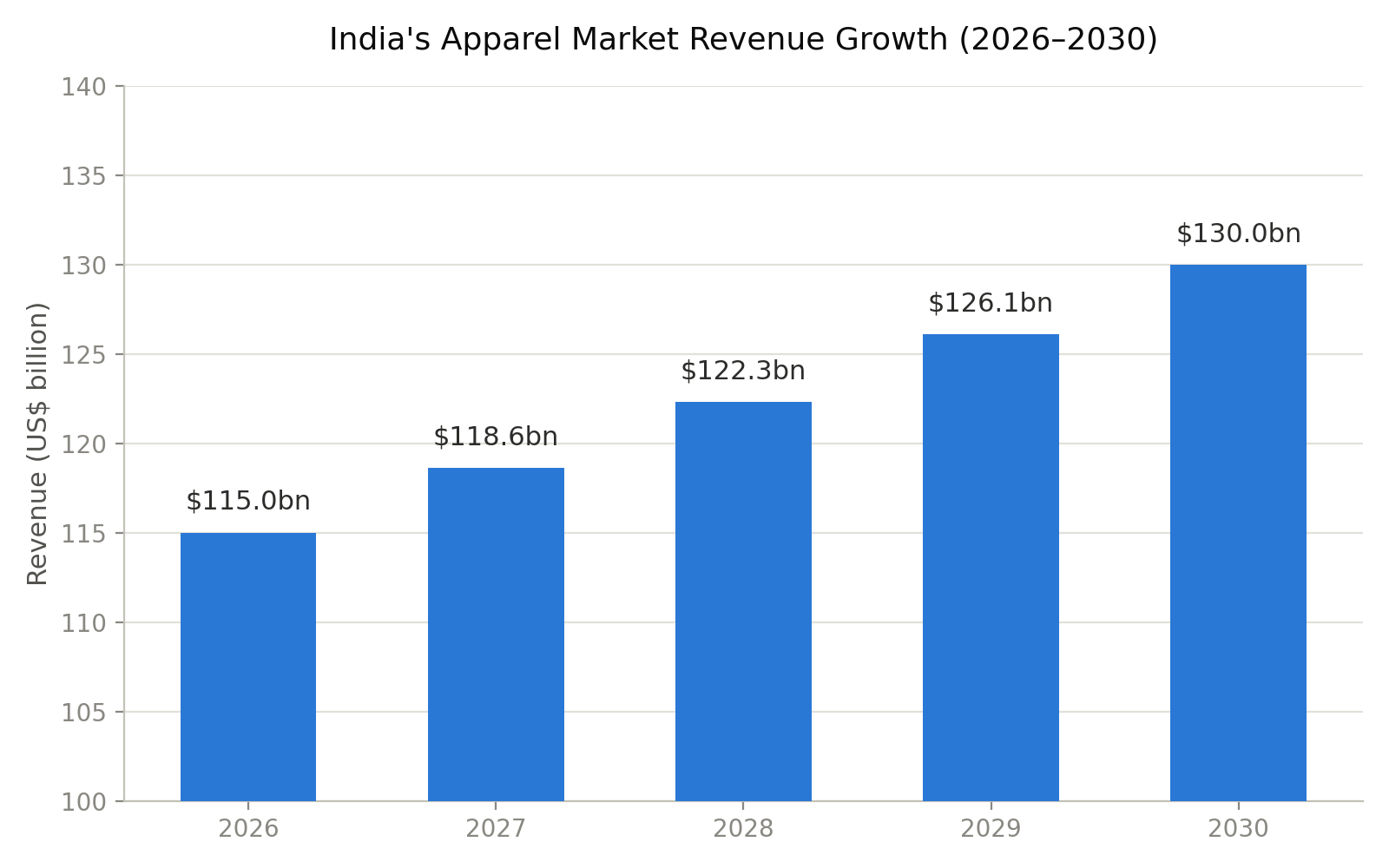
India’s apparel market, by the numbers:
- Revenue is projected to reach US$115.00bn in 2026, growing annually by 3.11% (CAGR 2026–2030).
- Women’s apparel holds the largest share, with a market volume of US$56.18bn in 2026.
- Globally, the United States leads apparel revenue at US$373bn in 2026 — far ahead of India.
- Per-person revenue in India sits at approximately US$77.77 in 2026.
- Market volume is expected to reach 42.7bn pieces by 2030.
- Average volume per person is projected at 25.4 pieces in 2026.
- Non-luxury goods will make up an estimated 98% of apparel sales in India by 2026.
Alongside these numbers, India’s apparel market is also seeing rising demand for sustainable and ethically produced clothing, driven by growing consumer awareness and a shift toward more conscious buying habits.
What is Fashion Design and Why It Matters in India’s Growing Economy
Strip away the glamour, and fashion design comes down to solving one problem: how does something look good, fit well, and actually work for how people live? Doesn’t matter if it’s a wedding outfit or a plain t-shirt made in bulk, same question. Designers work with shape, fabric, color, stitching. But the job’s grown to include understanding trends, buyer habits, even sustainability, none of which really mattered much ten years ago.
In an economy where fashion adds real weight to both local spending and exports, designers aren’t just creative people anymore. They’re part of a large, working economy. One thing worth noting here: one of the real advantages of fashion designing as a field is that the work sits right between art and business. It rarely feels like just one or the other.
India Fashion Market Segmentation: Where the Opportunities Lie
Not every corner of this industry grows at the same speed. Knowing where the actual movement is happening helps if you’re trying to figure out where to focus. Clothing’s still the biggest slice of the market. But within that, ethnic wear, athleisure, and everyday premium pieces are all growing faster than the basics.
Shoes and accessories have quietly become a strong growth area too, sneaker culture especially, picking up well outside the big cities now. And luxury fashion? Oddly enough, it’s growing fastest in smaller cities, not just Delhi and Mumbai, since wealth has spread out more than people assume. Online shopping cuts across all of these categories, and it keeps outpacing physical stores just about everywhere.
Top Fashion Trends Shaping the Industry in India
A few shifts are shaping where this industry’s headed, and knowing these fashion trends actually matters if you want to design for where the market’s going, not where it used to be.
- Sustainable and ethical fashion: no longer just a talking point; brands are actually putting money behind it, whether that’s organic fabric or cleaner manufacturing.
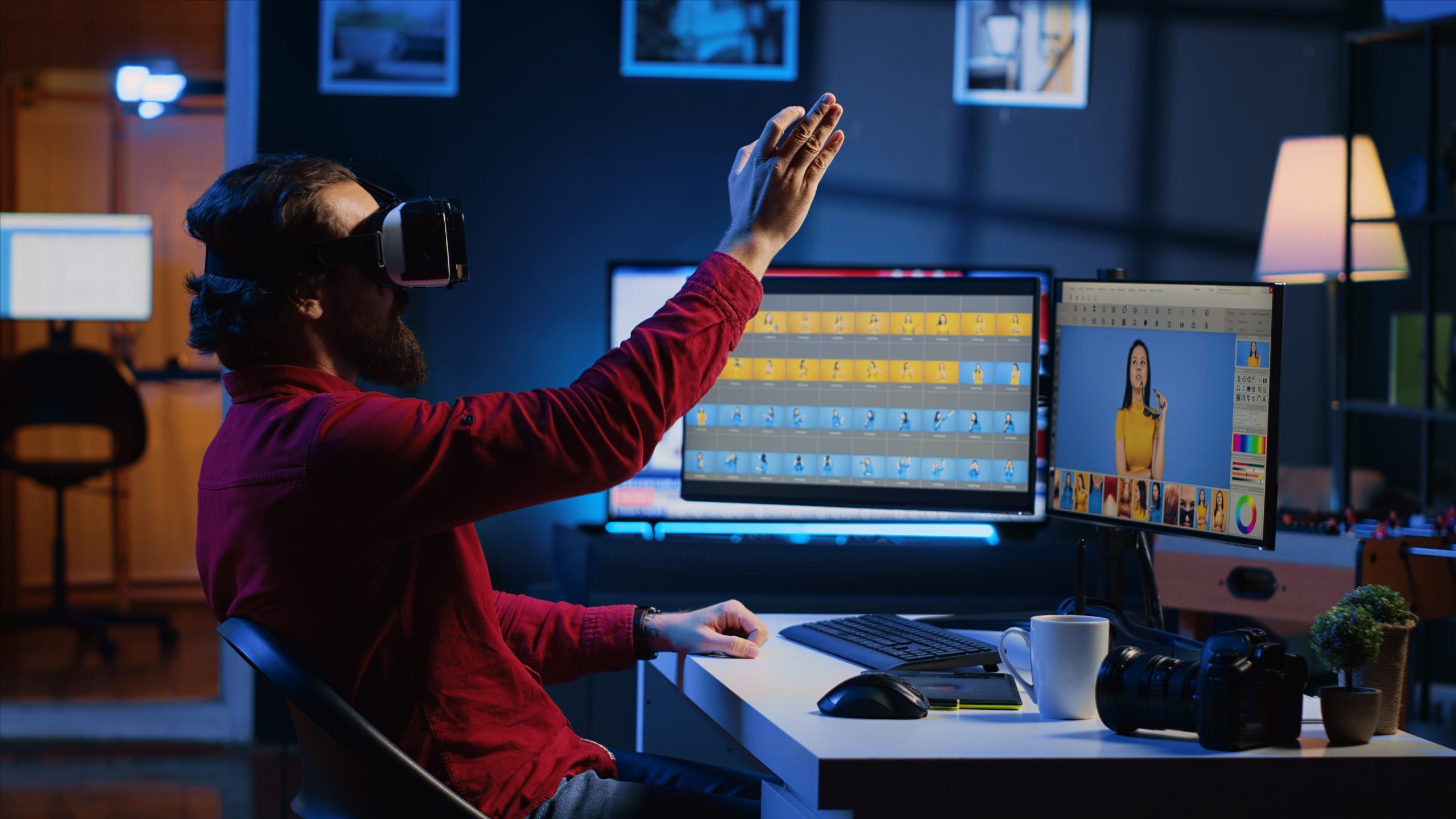
- Digital-first design: AI tools, virtual try-ons, and 3D sampling- stuff that would’ve sounded like science fiction ten years back- are cutting production time down significantly now.
- Ethnic and regional wear: having a real moment, partly thanks to weddings, partly a growing pride in local culture showing up in what people wear day to day.
- Personalisation: helped along by data and a wave of newer online-first brands, letting small labels go up against big names in ways that just weren’t possible before.
Across all of these, the industry’s moving toward fashion that feels more personal, more responsible, and much faster-moving than it used to be.
Growth Drivers Fueling the Fashion Industry
A few key things keep pushing this industry forward, and none of them look like slowing down. Online shopping keeps growing, even in smaller towns that didn’t have easy access to branded fashion a few years back.
Rising incomes and a bigger middle class mean more people spending on how they look. Government support for textile parks and manufacturing incentives is strengthening the supply side. And social media, short videos especially, keeps shrinking the gap between a trend showing up and people actually buying into it.
Scope of Fashion Designing in India
This is probably the question most people actually want answered. Is there real room to build a career here, or is it already too crowded? Honest answer: the scope of fashion designing in India has actually widened, not narrowed. Beyond the usual designer-label path, there’s room in retail design, costume design for films and shows, textile design, styling, merchandising, and increasingly, helping brands design more sustainably.
That range stretches into online brands too, ones that need their own design teams now, something that barely existed ten years back. Newer labels are hiring designers directly rather than just working with freelancers, and that’s made career paths much steadier than they used to be.
Market Opportunities for Aspiring Fashion Designers
For someone just starting, the career opportunities in fashion designing look a lot wider than just “become a famous designer”, which, let’s be honest, is what most people picture first.
- Fashion houses & export businesses: still need trained designers for both local and international markets.
- Online and D2C brands: actively building out their own design and merchandising teams.
- Film, TV, and OTT platforms: need costume designers who get both storytelling and stitching.
- Entrepreneurship: starting your own label is easier now too; you don’t need a big store to begin with, since smaller brands launch online all the time.
Put together, these paths mean a design career today doesn’t have to follow just one route to feel worthwhile.
How a Diploma in Fashion Designing Prepares You for This Industry
Talent gets you noticed. Training is usually what gets you hired. A good diploma in fashion designing covers the basics such as pattern making, draping, garment construction, and fabric knowledge, while also teaching the softer stuff the industry actually runs on, like spotting trends early, building a portfolio, and understanding how a design turns into something people will actually pay for.
Courses that mix hands-on studio work with real industry exposure tend to turn out graduates who aren’t just creative, but genuinely job-ready too. That mix of skill plus business sense is really what separates a diploma in fashion designing that leads somewhere from one that’s mostly just theory on paper.
Start Your Career in Fashion Design Today
If this industry genuinely interests you, there’s rarely been a better time to get trained properly and just step in. One of the biggest advantages of fashion designing as a career is that it goes well beyond creative satisfaction; it’s an industry with real, growing demand, plenty of entry points, and enough career opportunities in fashion designing that you’re not stuck on one narrow path for your whole working life.
AAFT Online’s Diploma in Fashion Design is a one-year, NSDC-recognized course covering both the digital and hand-crafted sides of design, giving students real, hands-on skills that actually hold up once they’re working, which is really where the advantages of fashion designing as a proper career start to show up.
Frequently Asked Questions
What is the current size of the fashion industry in India?
Revenue is projected to reach US$115.00bn in 2026, growing annually by 3.11% (CAGR 2026–2030). Clothing, footwear, accessories, and online retail are all adding to that growth. Online fashion retail in particular is expanding faster than the industry overall, and rising incomes across both metro and non-metro cities are helping push these numbers higher every year.
What is the scope of fashion designing in India?
Now, beyond designer labels, there’s room in retail, costume design, textile design, styling, merchandising, and design roles inside online and D2C brands. Sustainability consulting for fashion brands is also opening up as a newer path, giving designers more ways to build a career than existed even a decade ago.
What career opportunities are available after studying fashion designing?
Fashion houses, export businesses, costume design for film and OTT, online brand design teams, styling, or starting your own label. Many graduates also move into merchandising, trend forecasting, or freelance design work, since the industry now supports far more paths than just working under an established designer.
How much can a fashion designer earn in India?
Depending on role and experience, from modest starting pay at fashion houses to much higher income for established designers, stylists, or entrepreneurs running their own label. Freelancers and those who build a strong personal brand or client base often end up earning well beyond typical entry-level salaries over time.
Is fashion designing a good career choice in 2026 and beyond?
With the industry growing across retail, online shopping, sustainability, and entertainment, there’s more room and variety in fashion careers now than in past years. Whether you’re drawn to design, styling, merchandising, or running your own label, the expanding market means more genuine opportunities to build a long-term, stable career in fashion.