

Makeup isn’t just a hobby anymore for a lot of people; it’s become an actual career path. Weddings, fashion shoots, films, Instagram reels. Somebody skilled is behind almost every polished look you see, and that demand isn’t slowing down. So if you’ve been toying with the idea of turning your interest in makeup into real work, here’s what a proper course actually involves, what it’ll cost you, and where it can take you.
- What is a Professional Makeup Artist?
- Why Pursue a Professional Makeup Artist Course?
- Professional Makeup Artist Course: Curriculum & What You’ll Learn
- Professional Makeup Artist Course Fees: Complete Breakdown
- Professional Makeup Artist Certificate: Why It Matters
- Essential Makeup Kit for a Professional Makeup Artist
- Career Opportunities After a Professional Makeup Artist Course
- Is a Professional Makeup Artist Course Worth It?
- Frequently Asked Questions
- What is the fee for a professional makeup artist course?
- How long does a professional makeup artist course take to complete?
- What is the difference between a certificate and a diploma in makeup artistry?
- What is the salary of a professional makeup artist in India?
- What skills do I need to become a successful professional makeup artist?
What is a Professional Makeup Artist?
Put simply, a professional makeup artist is someone trained to apply makeup with real technical skill for brides, on film sets, at fashion shoots, or for regular clients walking in for a touch-up. It’s more than picking a shade that matches someone’s skin.
You need to understand face structure, how different lighting changes a look, skin types, hygiene, and how to adjust on the fly when something isn’t working. Honestly, that’s the real gap between a hobbyist and a professional: training, practice on actual faces, and a portfolio that backs it up.
Why Pursue a Professional Makeup Artist Course?
YouTube tutorials only get you so far. At some point you hit a ceiling. A professional makeup artist course hands you the fundamentals that would otherwise take years to figure out: skin prep, contouring, colour theory, basic hairstyling, working across face shapes and lighting setups. You also get someone correcting your technique in real time, which is genuinely hard to replicate on your own.
There’s more to it than the technical stuff too. A decent course helps you put together a portfolio, teaches you how to deal with clients, and gives you a feel for how the beauty and entertainment industries actually run. That mix of skills plus exposure is usually what separates someone doing makeup for fun from someone who actually gets booked for it.
Professional Makeup Artist Course: Curriculum & What You’ll Learn
Most solid programs start with the basics and build up over several months, splitting time between theory and a lot of hands-on practice. Here’s roughly what gets covered:
- Makeup foundation: skin prep, base makeup, colour matching
- Bridal and event makeup
- Editorial, fashion, and runway looks
- Basic hairstyling to go with the makeup
- Working across different skin types and tones
- Portfolio building
- Freelancing, client handling, social media presence
- A bit of business sense for running things as a makeup artist
By the time it’s done, students have actually worked on live models, not just practised on themselves in a mirror, which is exactly what clients and employers want to see before they hire anyone.
Professional Makeup Artist Course Fees: Complete Breakdown
Professional makeup artist course fees aren’t the same everywhere; it comes down to the institute, how long the course runs, and what’s bundled in (kit, certification, live classes, placement help). Shorter certificate courses cost less, obviously. A full diploma that includes a kit and dual certification sits higher.
As an example, AAFT Online’s Diploma in Makeup costs about ₹80,000 for a 6-month program, and there’s an EMI option too. That fee covers all the modules, live sessions, a year of recorded access, and both certifications. Before you sign up anywhere, actually check what’s included instead of just comparing numbers; a cheaper course that skips practical training or placement support usually ends up costing more down the line.
Professional Makeup Artist Certificate: Why It Matters
Finishing a course is one thing. Having a professional makeup artist certificate to show for it is what makes it count on paper, especially early on when you don’t have much of a client list yet.
- A government-recognised certificate (NSDC, for instance) adds real credibility
- Industry-body certification (like CII) shows you’re trained to a professional standard
- It strengthens your case when applying to salons, studios, or agencies
- Two certifications together usually carry more weight than just one
Clients and employers can’t exactly test your skills before booking you, so a professional makeup artist certificate does a lot of that convincing before they’ve even seen your work.
Essential Makeup Kit for a Professional Makeup Artist
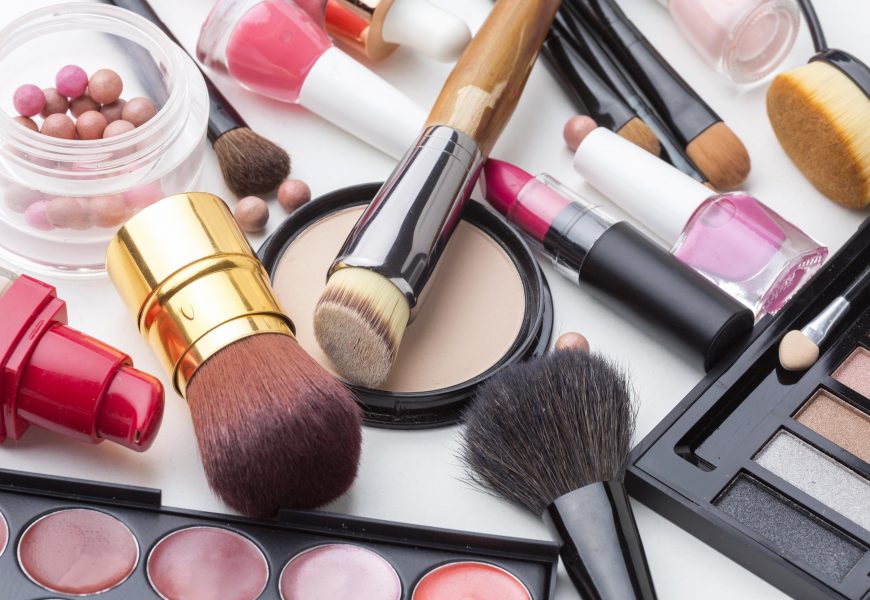
Skill only gets you so far without the right tools in hand. A good makeup kit for a professional makeup artist is built around products that hold up across skin types and different lighting.
- Primers and foundations for multiple undertones
- A dependable concealer and setting powder
- Eyeshadow palettes both everyday and bold options
- Eyeliner, mascara, brow products
- Blush, bronzer, highlighter
- Lip products in a few finishes
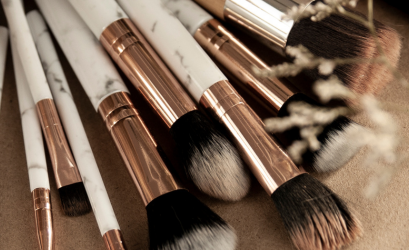
- A proper set of brushes and sponges
- Sanitiser and disposable applicators for hygiene
A lot of diploma programs now hand you a curated kit as part of the course, so you’re not stuck guessing what to buy, and you end up training with the same products the industry actually uses.
Career Opportunities After a Professional Makeup Artist Course
Once you’re trained, a professional makeup artist isn’t boxed into one path. Freelancing, joining a studio, assisting an established artist, or specialising in something like bridal or film work there’s room to pick. Building self makeup grooming skills alongside professional makeup techniques can also expand your career opportunities. Rough salary ranges look something like this:
- Bridal Makeup Artist: ₹4 LPA to ₹8 LPA+
- Celebrity Makeup Artist: ₹8 LPA to ₹9.5 LPA+
- Film & Television Makeup Artist: ₹4 LPA to ₹5 LPA
- Beauty Vlogger / Content Creator: ₹5 LPA to ₹6 LPA+
- Makeup Consultant: ₹3 LPA to ₹8 LPA
- Runway Makeup Artist: ₹3 LPA to ₹10 LPA
Freelancers can easily beat these numbers once they build a name for themselves, especially during wedding season when bookings pile up fast. Specialising helps too; artists known specifically for bridal or editorial work usually charge more once their portfolio does the talking for them.
Is a Professional Makeup Artist Course Worth It?
If makeup genuinely pulls at you, formal training is what turns that interest into something you can build a career on: real makeup artist skills, a certificate, and a portfolio to prove it. It saves you years of trial and error and gets you noticed by the right people much sooner. If you’re ready to actually start, AAFT Online’s Diploma in Makeup runs six months, includes hands-on training, a professional Kryolan kit, dual NSDC and CII certification, and placement support to help you get your first break.
Talent gets you noticed, but training is what gets you hired. A proper course, the right certification, and a kit that holds up on the job, that’s the actual starting point for anyone serious about this career, not just a love for makeup.
Frequently Asked Questions
What is the fee for a professional makeup artist course?
It depends on the institute and duration; short certificate courses cost a few thousand rupees, while a full 6-month diploma with a kit and certification can run around ₹80,000.
How long does a professional makeup artist course take to complete?
Certificate courses can wrap up in a few weeks to a couple of months. A full diploma covering bridal, editorial, and advanced work usually takes about six months.
What is the difference between a certificate and a diploma in makeup artistry?
A certificate covers the basics quickly. A diploma goes deeper into advanced techniques, business skills, hands-on projects, and generally comes with stronger placement support.
What is the salary of a professional makeup artist in India?
It varies a lot by specialisation and experience, anywhere from ₹3 LPA for entry-level consultants up to ₹8-10 LPA or more for bridal, celebrity, or runway artists.
What skills do I need to become a successful professional makeup artist?
Solid technical skills, an eye for detail, patience, good communication with clients, hygiene awareness, and staying current with trends and products all matter for the long run.