


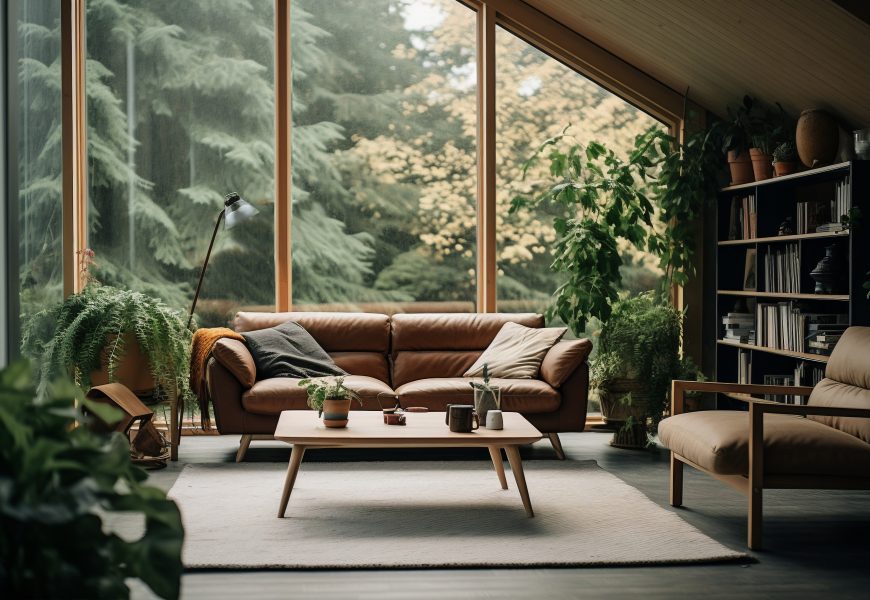
Homes in India are changing a lot right now, and honestly, not just in how they look. People care about where the wood came from, how much power the lights use, even whether the paint on the wall is safe to breathe around. Sustainability used to feel like a nice-to-have. Now it’s basically the whole point.
Here’s what this article covers: what an interior design trend actually is and why it matters, the top ten sustainable trends showing up in Indian homes this year, the different interior design styles people are picking right now, and the types of interior design styles that fit sustainable living best.
- What is an Interior Design Trend and Why It Matters
- Top 10 Sustainable Interior Design Trends in India for 2026
- Interior Design Styles Shaping Sustainable Homes in India
- Types of Interior Design Styles: Which One Fits Sustainable Living Best?
- How Smart Home Technology is Making Interiors More Sustainable
- How to Bring These Trends into Your Home or Office
- Build a Career Designing Sustainable Interiors
- The Future of Interior Design in India is Sustainable
- Frequently Asked Questions
- What is sustainable interior design and why is it important?
- What are the different types of interior design styles?
- What is layered lighting and how does it improve a home?
- How does smart home technology support sustainable living?
- How can I make my home more sustainable without a full renovation?
- Is sustainable interior design more expensive than traditional design?
- What skills do I need to become a sustainable interior designer?
What is an Interior Design Trend and Why It Matters
An interior design trend is basically a shift in how people want their homes to look, feel, and work at a given time. If you’re new to the concept, understanding “what is interior design” can help you see how these trends influence both aesthetics and functionality. Sometimes it’s just color or furniture shape, nothing deep. Other times it goes further, changing what materials get used, how a room gets lit, or how much tech quietly runs in the background without you even thinking about it.
Trends matter more than usual these days, honestly, because they’re shaping something bigger than looks alone. Choices around materials and power use in a home add up fast once millions of households start making the same shift together. Even something small, modern decor, a switch to layered lighting, can quietly cut down on waste. That’s the real reason paying attention to where design is heading matters. It’s not just about staying stylish.
Top 10 Sustainable Interior Design Trends in India for 2026
Here’s what’s actually showing up in Indian homes this year, based on what designers and homeowners are actually choosing, not just what looks good in a catalogue.
- Natural and reclaimed materials: bamboo, reclaimed wood, rattan, and natural stone are replacing synthetic finishes in home after home.
- Low-VOC paints and finishes: picking up mostly because indoor air matters more once you’ve got kids or older family members around.
- Earthy color palettes: terracotta, sage green, mustard, and clay tones taking over from the stark whites and greys that dominated for years.
- Warm minimalism: a softer take on minimalist interiors, with fewer things in the room but warmer textures and tones, proving minimalist interiors don’t have to feel cold or empty.
- Layered lighting: using a few light sources instead of one harsh bulb overhead, which quietly cuts down on wasted electricity as a bonus.
- Automated home systems: smart thermostats, voice-controlled setups, and lighting that adjusts on its own, built in from day one now instead of added later.
- Multifunctional furniture: pieces that fold or extend, which matter a lot in smaller city apartments.
- Textured surfaces: limewash and micro cement add depth without needing more raw material.
- Biophilic touches: plants, natural light, and real airflow, planned in from the start rather than bolted on later.
- Modern decor with a personal touch: gallery walls and handmade pieces that mean something instead of generic filler.
None of this needs a full renovation, by the way; that part surprises a lot of people. Pick two or three from this list, and it’ll shift how a home feels, and honestly, how much it costs to run too. These simple changes also contribute to Sustainability in Interior Design, helping create more energy-efficient and environmentally responsible living spaces.
Interior Design Styles Shaping Sustainable Homes in India
Certain interior design styles naturally lend themselves to sustainable living better than others. Knowing which ones fit helps before you go and pick furniture you’ll regret. Whichever one catches your eye, treating it as a longer interior design trend rather than a quick makeover usually pays off more.
Scandinavian-style design works well since it already leans toward natural materials and simple layouts. Japandi, a mix of Japanese and Scandinavian style, brings that same restraint but adds warmth through wood and texture. Indian heritage-style design is having a real moment too, leaning on local craft instead of imported, mass-produced stuff. And a mix of industrial and earthy design works surprisingly well if you want sustainable without going fully minimal.
Worth knowing too, this isn’t a small industry anymore. India’s interior design market is projected to hit USD 35.48 billion in 2026, and is expected to grow to USD 65.01 billion by 2031, according to Mordor Intelligence. That kind of growth is exactly why style choices at scale, like the sustainable shift we’re talking about here, actually end up mattering.
Types of Interior Design Styles: Which One Fits Sustainable Living Best?
Knowing the general types of interior design styles out there helps you figure out where sustainability actually fits, instead of forcing your home into a look you don’t even like in the first place.
- Minimalist styles: work well since they naturally cut down on clutter and extra buying, a good fit if minimalist interiors are already the look you lean toward anyway.
- Bohemian styles: fit surprisingly well too, since they often lean on handmade, secondhand, or upcycled pieces already, without even trying.
- Traditional Indian styles: pair naturally with sustainable choices, given they’ve always leaned on local materials and skilled craft.
- Contemporary styles: can go either way, but more designers are pushing eco-friendly choices even inside sleek, modern layouts now.
There’s no single “right” style here; honestly, I’d say don’t stress over picking one. It’s more about fitting sustainable choices into whichever interior design styles you already love.
How Smart Home Technology is Making Interiors More Sustainable
Smart home technology has quietly turned into one of the biggest sustainability tools in modern homes, even though it doesn’t always look “eco” on the surface.
Smart thermostats and lighting cut wasted power by adjusting automatically, based on who’s home and how much natural light is around. Automated curtains help manage heat and cooling without the AC running all day. Voice-controlled systems make it easier to switch things off completely instead of leaving them on standby. Smart water systems, still fairly new in Indian homes, are starting to cut water waste in kitchens and bathrooms too.
The point isn’t turning your home into some gadget showroom, either. It’s tech doing its job quietly in the background, cutting waste without anyone really noticing it’s even there.
How to Bring These Trends into Your Home or Office
You don’t need to gut your whole space to get started. A few small swaps are enough to see a real shift.
- Repaint or upgrade with sustainable materials: enough on its own to start the shift, even during a routine touch-up.
- Lean into what you already have: if minimalist interiors already appeal to you, sustainable swaps fit in even easier, since there’s less stuff to replace to begin with.
- Add layered lighting: a mix of ambient, task, and accent lighting can change a room without any structural work at all.
- Bring in plants and low-VOC paint: small, doable steps that add up fast.
- Pick up multifunctional furniture: one or two pieces go a long way, especially in smaller spaces.
- Update your modern décor: a few handmade or local pieces instead of mass-produced ones make a real difference over time.
None of these need a big budget or a contractor. Just a bit of intention next time you’re shopping for the home.
Build a Career Designing Sustainable Interiors
If this kind of work genuinely interests you, there’s real demand building for designers who actually understand sustainable materials, smart tech, and how modern decor can look good and still be responsible at the same time. This isn’t some passing niche anymore. It’s turning into a standard expectation across both home and commercial design work.
AAFT Online’s Diploma in Interior Design is a one-year, NSDC-certified program covering spatial design, materials, and hands-on studio work, giving students the grounding they actually need to work in this space, not just admire it from the outside.
The Future of Interior Design in India is Sustainable
Homes in India are clearly heading in one direction now, toward spaces that look good, work well, and don’t cost the planet to keep running. Whether it’s smarter materials, better lighting, or quiet tech doing its job in the background, sustainability has stopped being an add-on. It’s just part of how good design works now, plain and simple. This growing shift is also creating exciting Interior Design Jobs for professionals who can combine creativity with sustainable and functional design practices.
Frequently Asked Questions
What is sustainable interior design and why is it important?
It’s an approach that uses eco-friendly materials and energy-saving choices to lower a home’s impact on the environment, while still keeping it comfortable and good to live in. It matters more now because homes account for a real share of overall energy and resource use, so small design choices, multiplied across millions of households, genuinely add up.
What are the different types of interior design styles?
Common styles include minimalist, Scandinavian, Japandi, bohemian, traditional Indian, and contemporary, each offering a different way to bring sustainability into a home. Most of these styles can be adapted with eco-friendly materials and practices without losing what makes them distinct, so you don’t have to abandon a look you already love to design more responsibly.
What is layered lighting and how does it improve a home?
It means mixing ambient, task, and accent lighting instead of relying on one main light, which makes a room feel warmer and more useful at the same time. Beyond the mood it creates, this approach also tends to use less overall electricity than one bright overhead fixture running constantly through the evening.
How does smart home technology support sustainable living?
It automates things like lighting, temperature, and water use, cutting down on waste without needing constant manual adjustment from the people living there. Devices like smart thermostats and automated curtains work quietly in the background, reducing energy use in ways that don’t require homeowners to think about it every single day.
How can I make my home more sustainable without a full renovation?
Start small, low-VOC paint, a couple of plants, better lighting, or one or two multifunctional furniture pieces can make a real difference without any major construction work. Even small, gradual changes made over time can noticeably lower a home’s environmental footprint without requiring a big budget or hiring a full design team.
Is sustainable interior design more expensive than traditional design?
Some materials cost more upfront, but they usually last longer and use less energy over time, which tends to balance out the initial cost. When you factor in lower maintenance, better durability, and reduced utility bills over several years, sustainable choices often end up being more affordable than they first appear.
What skills do I need to become a sustainable interior designer?
A good eye for design, knowledge of materials and their environmental impact, spatial planning skills, and an understanding of how smart tech fits into modern spaces all matter here. Strong communication with clients and a willingness to keep learning about new eco-friendly products also make a real difference in this line of work.